OSINT for Central Banks: Monitoring Cross-Border Capital Flow Anomalies
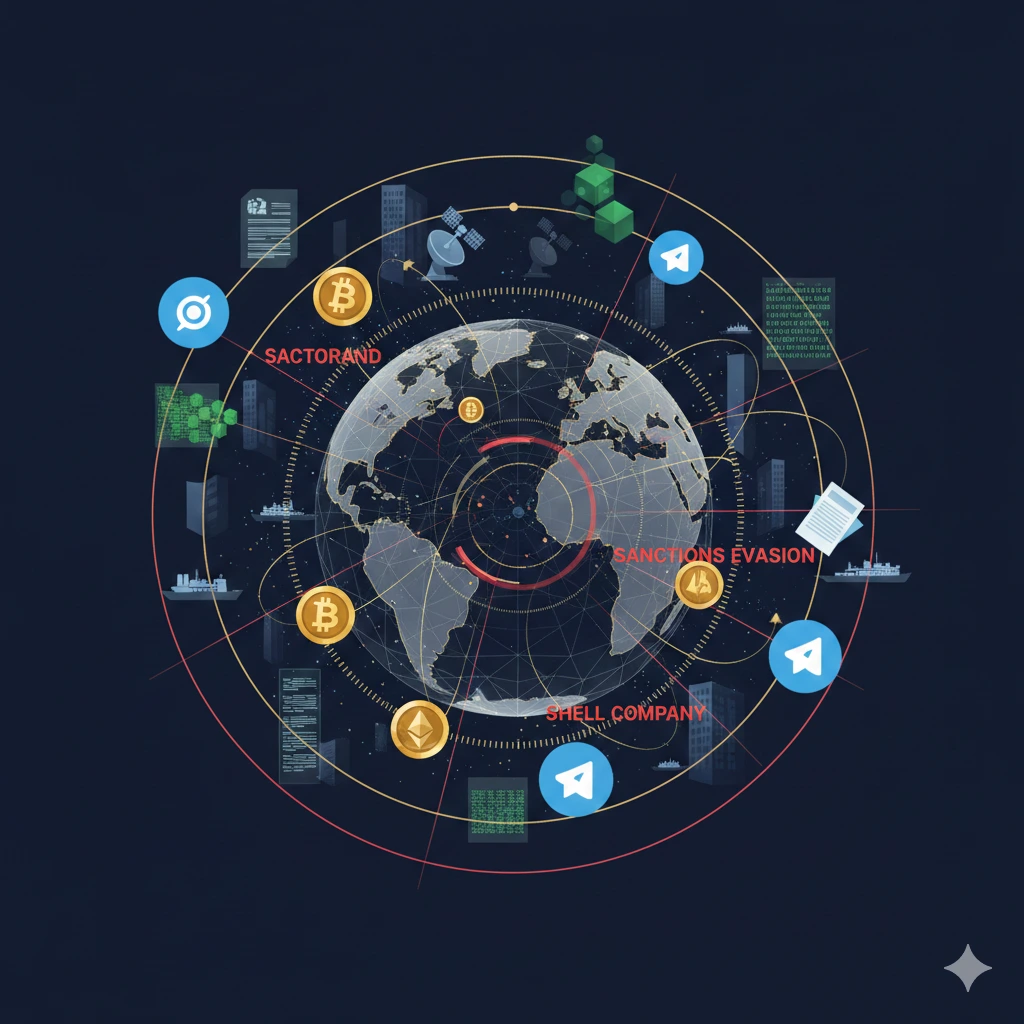
In an increasingly interconnected global financial system, central banks face mounting challenges from anomalous cross-border capital flows that can signal illicit activities, macroeconomic instability, or emerging risks to national economic security. These anomalies—ranging from sudden surges in outbound investments to unexplained inflows through opaque channels—often precede crises, facilitate money laundering, sanctions evasion, or support terrorist financing. Open Source Intelligence (OSINT) has emerged as a vital, non-intrusive tool for early detection and analysis, enabling central banks to supplement traditional regulatory data with publicly available information from social media, news outlets, corporate registries, forums, and blockchain explorers.
Knowlesys, a leading provider of advanced OSINT platforms, empowers institutions with the Knowlesys Intelligence System (KIS)—a comprehensive solution designed for intelligence discovery, alerting, analysis, and collaborative workflows. By leveraging KIS, central banks can transform fragmented open-source data into actionable insights, identifying patterns that indicate abnormal capital movements before they escalate into systemic threats.
The Strategic Importance of Monitoring Cross-Border Capital Anomalies
Cross-border capital flows are essential for global economic growth, but anomalies—such as rapid, unexplained transfers, round-tripping investments, or flows through high-risk jurisdictions—can undermine financial stability. Empirical studies highlight how these patterns correlate with risks like tax evasion, illicit trade, and foreign influence operations. Central banks must detect these early to implement macroprudential measures, adjust monetary policy, or coordinate with financial intelligence units (FIUs).
Traditional monitoring relies on transaction reporting and banking data, but these sources often lag or lack context. OSINT fills critical gaps by providing real-time visibility into public discussions, leaked documents, adverse media, and online networks that reveal hidden connections in capital flows. For instance, sudden spikes in social media chatter about offshore entities or cryptocurrency wallets can precede observable transaction anomalies.
Key OSINT Techniques for Detecting Capital Flow Anomalies
Effective monitoring combines multi-source collection with advanced analysis. Central banks can deploy the following techniques:
1. Network Mapping and Entity Resolution
OSINT enables mapping of corporate structures, beneficial ownership, and relationships across jurisdictions. By analyzing public registries, sanctions lists, and corporate filings, analysts uncover shell companies or intermediaries facilitating anomalous flows. Tools like KIS support graph-based visualization, revealing clusters of entities with synchronized activity that may indicate coordinated capital movements.
2. Adverse Media and Sentiment Analysis
Monitoring news, forums, and social platforms for mentions of high-risk entities or jurisdictions provides early indicators. AI-driven sentiment analysis flags discussions around tax havens, sanctions evasion, or fraud schemes. KIS excels in real-time discovery of sensitive content across text, images, and videos from global sources, including major platforms, alerting users to emerging narratives that correlate with flow anomalies.
3. Behavioral and Temporal Pattern Recognition
Anomalous flows often exhibit behavioral signatures, such as high-frequency small transfers or timezone discrepancies suggesting proxy operations. OSINT tracks account origins, registration patterns, and interaction networks on financial forums or dark web marketplaces. KIS's intelligence alerting module delivers minute-level notifications for predefined thresholds, such as sudden mentions of specific offshore vehicles.
4. Blockchain and Cryptocurrency Tracing
With the rise of digital assets, illicit flows increasingly use cryptocurrencies. OSINT tools analyze public ledgers, wallet attributions, and forum discussions to trace conversions and movements. KIS supports multi-modal collection, integrating blockchain-related open data to identify anomalies like rapid transfers linked to sanctioned entities.
These techniques align with global standards, including FATF recommendations on beneficial ownership transparency and risk-based supervision.
How Knowlesys Intelligence System (KIS) Supports Central Banks
The Knowlesys Intelligence System (KIS) is purpose-built for high-stakes intelligence environments, offering end-to-end capabilities that address the unique needs of central banks and financial regulators:
- Intelligence Discovery: Comprehensive coverage of global platforms, scanning billions of items daily to capture multilingual content related to financial entities, jurisdictions, and emerging risks.
- Intelligence Alerting: Minute-level early warnings for anomalies, with customizable thresholds based on keywords, topics, or propagation speed, enabling proactive macroprudential responses.
- Intelligence Analysis: Multi-dimensional tools including entity profiling, propagation path tracing, geographic heatmaps, and fake account detection to contextualize flow anomalies.
- Intelligence Collaboration: Secure sharing and workflow management for cross-departmental teams, ensuring coordinated analysis between monetary policy, supervision, and financial stability units.
KIS's AI-powered features, including semantic understanding and behavioral clustering, enhance accuracy and reduce manual effort. With proven stability and compliance-focused design, it supports secure, on-premise deployments suitable for sovereign institutions.
Real-World Applications and Outcomes
In practice, central banks and related agencies use OSINT to detect patterns like coordinated outflows through interconnected shell networks or spikes in adverse media preceding capital flight. For example, monitoring public discussions around sanctions evasion has helped trace illicit channels, while network analysis uncovers hidden beneficial owners in high-risk transactions.
By integrating KIS, institutions achieve faster anomaly identification—often reducing detection timelines from days to minutes—while building robust evidence chains for policy interventions or international cooperation.
Conclusion: Building Resilience Through OSINT-Driven Vigilance
As cross-border capital flows grow more complex and opaque, central banks require agile, intelligence-led approaches to safeguard economic security. OSINT, when powered by advanced platforms like the Knowlesys Intelligence System (KIS), provides the depth, speed, and context needed to monitor anomalies effectively. This capability not only detects risks but also informs strategic decision-making, ensuring financial systems remain resilient amid evolving global threats.
Knowlesys continues to innovate in OSINT technologies, supporting institutions worldwide in their mission to maintain stability and integrity in the international financial landscape.