Detecting Sanctions Shopping: How Adversaries Exploit Jurisdictional Gaps
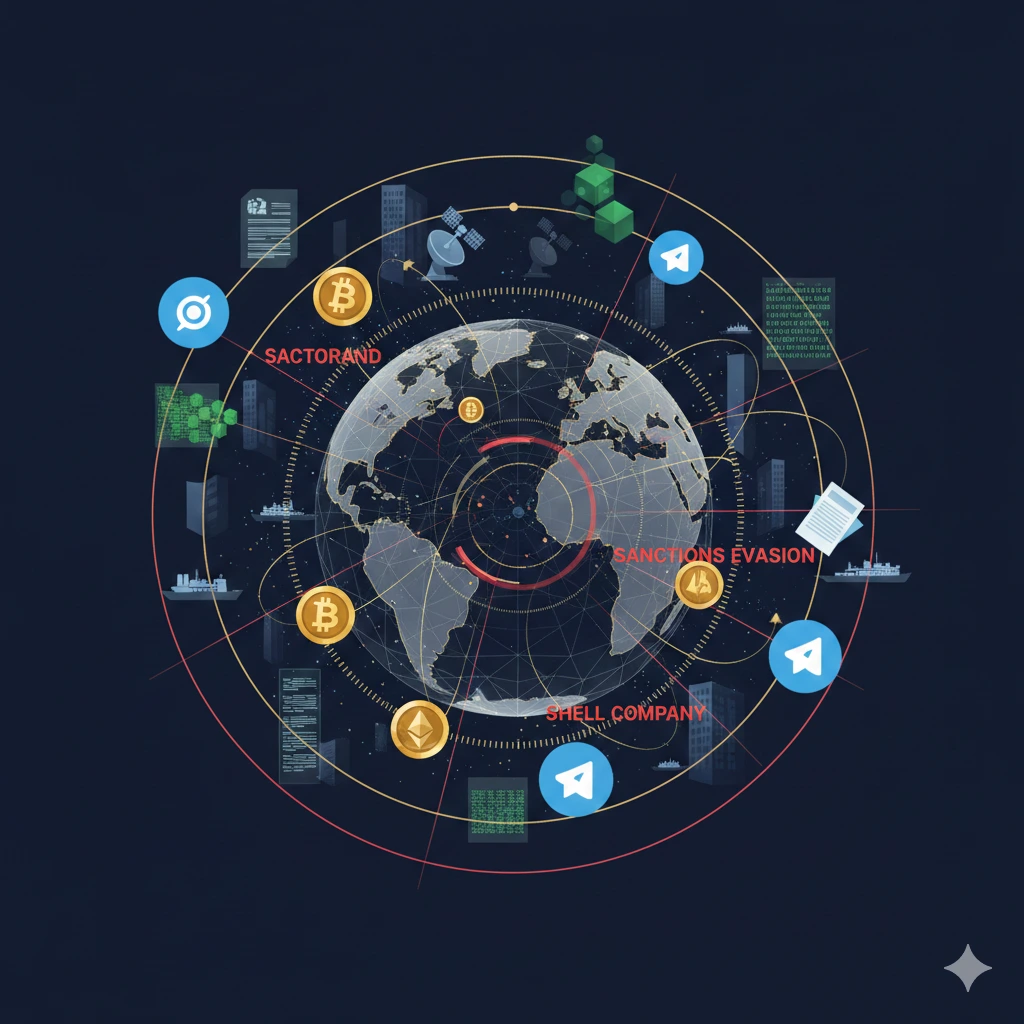
In today's interconnected global economy, economic sanctions serve as a critical non-military tool for addressing threats to international security, human rights violations, and aggressive state actions. However, sanctioned entities and their networks continually adapt by engaging in "sanctions shopping"—deliberately seeking out and exploiting jurisdictional gaps where enforcement is weaker or absent. This practice undermines the effectiveness of multilateral sanctions regimes and enables continued access to financial systems, technology, and markets.
Knowlesys Open Source Intelligent System stands at the forefront of countering these evasion tactics. As a comprehensive OSINT platform, it empowers intelligence agencies, law enforcement, and compliance teams with advanced capabilities for intelligence discovery, threat alerting, intelligence analysis, and collaborative workflows—delivering timely, actionable insights to detect and disrupt sanctions shopping networks.
Understanding Sanctions Shopping and Jurisdictional Exploitation
Sanctions shopping refers to the strategic maneuvering by adversaries to route transactions, assets, or trade through jurisdictions that impose minimal or no restrictions on dealings with sanctioned parties. Adversaries exploit differences in sanctions implementation, regulatory enforcement, and legal frameworks across countries. Common tactics include routing funds or goods via intermediary nations with lax controls, using shell companies registered in permissive environments, and leveraging transshipment hubs to obscure ultimate destinations.
These gaps arise from variations in adoption: while major coalitions like the US (via OFAC), EU, and UN impose stringent measures, some jurisdictions enforce sanctions inconsistently or not at all. This creates arbitrage opportunities where actors appear compliant on the surface while bypassing core restrictions. For instance, increased trade volumes in certain third countries often signal redirection of sanctioned commodities or dual-use goods, highlighting how jurisdictional inconsistencies erode global sanction pressure.
Common Techniques Used to Exploit Jurisdictional Gaps
Adversaries employ layered, sophisticated methods to mask their activities:
- Shell and Front Companies: Establishing entities in jurisdictions with opaque beneficial ownership registries to obscure links to sanctioned parties.
- Transshipment and Re-Export Schemes: Routing goods through intermediary ports or countries not subject to the same restrictions, often with falsified documentation or mislabeled end-uses.
- Complex Corporate Structures: Using nominee directors, offshore entities, and fragmented ownership to evade ownership thresholds (e.g., below 50% rules) that trigger sanctions.
- Third-Country Intermediaries: Leveraging locations with strategic positioning and weaker enforcement to facilitate financial flows or commodity trades.
- Behavioral Masking: Manipulating transaction patterns, such as sudden volume spikes or unusual routing, to avoid detection in standard screening.
These techniques thrive on regulatory fragmentation, where enforcement disparities allow evasion networks to persist and adapt.
The Role of OSINT in Detecting Sanctions Shopping
Effective detection requires moving beyond static sanctions lists to dynamic, multi-source intelligence that uncovers hidden connections and behavioral anomalies. Knowlesys Open Source Intelligent System excels in this domain by providing full-spectrum OSINT coverage across global platforms, enabling rapid identification of evasion indicators.
Key detection capabilities include:
- Intelligence Discovery: Real-time scanning of open sources to identify emerging patterns, such as unusual corporate formations in high-risk jurisdictions or spikes in trade with intermediary countries.
- Threat Alerting: Minute-level notifications for suspicious activities, including account behaviors linked to jurisdictional arbitrage or sudden associations with flagged entities.
- Intelligence Analysis: Multi-dimensional profiling of entities, including network graphing to reveal collaborative chains, beneficial ownership tracing, and geographic heatmapping of transaction flows.
- Collaborative Workflows: Enabling teams to share findings, assign investigations, and build comprehensive cases that link disparate data points into evidentiary chains.
By fusing public data with advanced analytics, the system helps analysts pinpoint red flags like IP addresses tied to evasion hubs, anomalous transaction layering, or entities exhibiting coordinated behavior across borders.
Practical Scenarios: From Detection to Disruption
In real-world applications, Knowlesys has proven instrumental in homeland security and counter-proliferation efforts. For example, analysts monitoring global trade flows can detect transshipment patterns where dual-use items appear to divert through third countries before reaching sanctioned end-users. The platform's graph-based analysis visualizes these networks, exposing key nodes and enabling targeted interventions.
Another scenario involves financial intelligence units tracking shell company clusters in permissive jurisdictions. Through automated alerting and deep-dive analysis, teams identify indirect ownership ties or synchronized activities that indicate sanctions shopping, supporting secondary sanctions or enforcement actions.
These capabilities shorten investigation cycles from weeks to hours, transforming reactive compliance into proactive threat mitigation.
Strengthening Defenses Against Evolving Threats
As sanctions regimes evolve—particularly in response to ongoing geopolitical challenges—the tactics of adversaries will continue to adapt. Closing jurisdictional gaps requires enhanced international coordination, harmonized enforcement, and robust technological tools. Knowlesys Open Source Intelligent System provides the intelligence foundation needed to stay ahead, offering unmatched visibility into evasion networks while supporting collaborative, evidence-based decision-making.
By leveraging OSINT-driven discovery and analysis, organizations can disrupt sanctions shopping at its core, reinforcing the integrity of global sanctions and protecting national security interests.