Tracking Gold and Precious Metals Smuggling as Alternative Reserve Accumulation
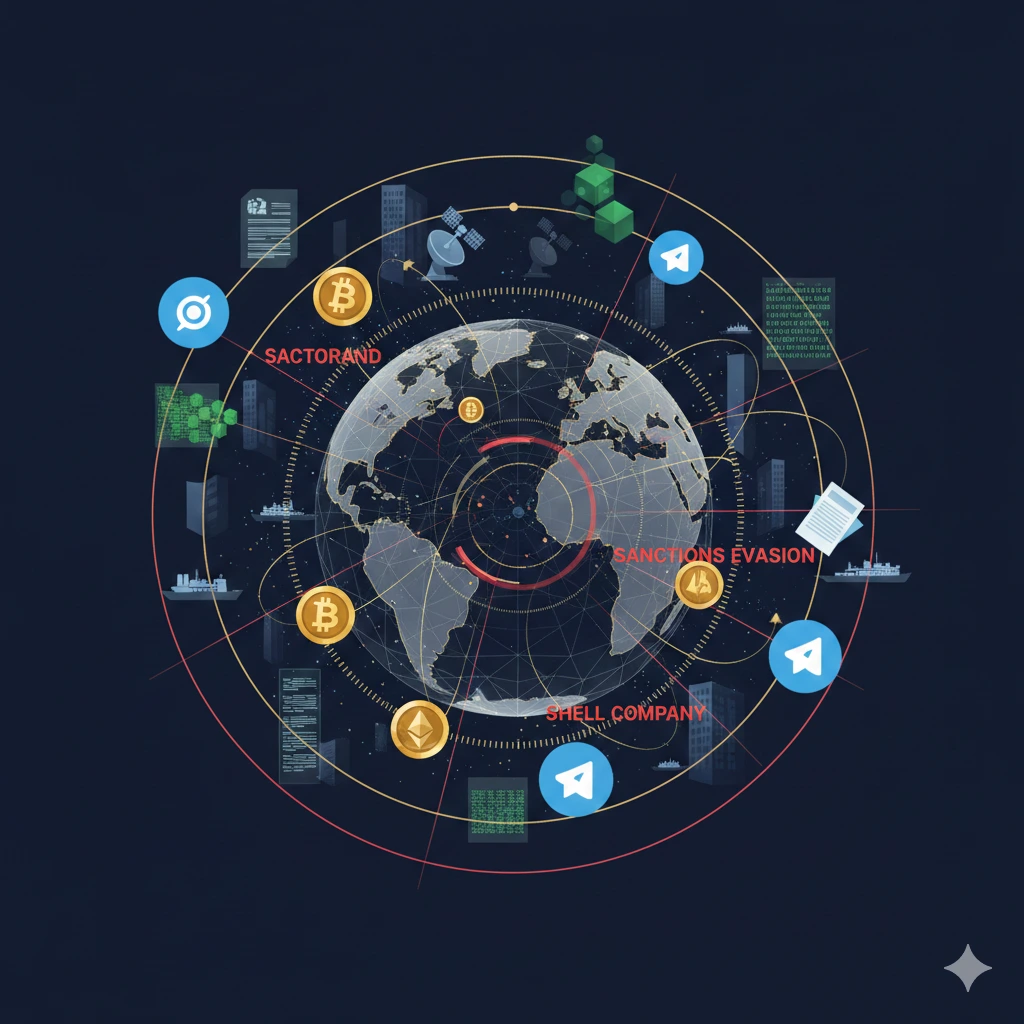
In an increasingly multipolar global financial landscape, gold and precious metals have reemerged as strategic assets for nations seeking to diversify reserves, hedge against currency volatility, and counter geopolitical risks. Central banks worldwide have accelerated gold purchases, with 2025 marking record accumulation levels driven by emerging market economies. However, this surge in demand has coincided with a parallel rise in illicit gold trade and smuggling networks, often exploited as mechanisms for alternative reserve building, sanctions evasion, and illicit financing. These covert flows not only undermine legitimate markets but also pose significant challenges to national security and financial stability.
The Knowlesys Open Source Intelligence System stands at the forefront of addressing these complex threats. As a comprehensive OSINT platform designed for intelligence discovery, threat alerting, intelligence analysis, and collaborative workflows, Knowlesys enables law enforcement, intelligence agencies, and financial regulators to detect, trace, and disrupt smuggling operations in real time.
The Strategic Role of Gold in Modern Reserve Management
Central banks have increasingly turned to gold as a reliable store of value amid persistent global uncertainties. In 2025, central bank gold purchases reached unprecedented highs, with institutions in emerging markets leading the charge. This shift reflects a broader diversification strategy away from traditional reserve currencies, as evidenced by sustained buying from countries like Poland, Brazil, Kazakhstan, and others aiming to bolster reserves amid economic pressures.
Some nations have adopted innovative domestic programs, where central banks directly purchase gold from local miners—including artisanal and small-scale operations—to formalize supply chains, reduce smuggling incentives, and directly enhance national reserves. Programs in Ghana, Madagascar, and Tanzania exemplify this approach, channeling mined gold into official exports and foreign exchange reserves while attempting to curb illicit outflows.
Despite these efforts, the high value density and portability of gold make it an attractive vehicle for illicit actors. Smuggling networks exploit informal mining operations, fragmented supply chains, and lax documentation to divert significant volumes of precious metals, often routing them through transit hubs like the UAE for laundering and resale on global markets.
Illicit Gold Flows: Mechanisms and Motivations
Gold smuggling serves multiple purposes beyond simple profit. It facilitates money laundering for organized crime, funds armed groups in conflict zones, and enables sanctioned entities to circumvent restrictions by converting illicit proceeds into portable, high-value assets. Reports indicate that billions in gold from regions affected by conflict and illegal mining flow annually into international markets, frequently through melting and mixing processes that obscure origins.
Key motivations include:
- Sanctions Evasion: Sanctioned regimes and networks use gold to generate foreign exchange outside formal banking channels.
- Alternative Reserve Accumulation: State-linked or quasi-state actors may accumulate physical gold covertly to build strategic holdings without transparent reporting.
- Financing Illicit Activities: Proceeds from smuggling support transnational criminal organizations, with gold acting as a stable, easily transportable medium.
The convergence of rising prices and geopolitical tensions has intensified these activities, turning gold into a shadow tool for reserve diversification in restricted environments.
OSINT Challenges in Detecting Smuggling Networks
Traditional intelligence methods struggle against the opacity of gold smuggling. Networks operate through ad-hoc structures involving miners, middlemen, brokers, and refiners, often leveraging social media, online forums, and dark web channels for coordination. Public data—such as shipping manifests, geotagged posts, trade anomalies, and KOL discussions—hold critical clues, yet manual analysis is time-intensive and prone to oversight.
Advanced OSINT platforms overcome these limitations by automating the discovery of sensitive information across global platforms. Knowlesys excels in this domain, providing capabilities tailored to threat intelligence in illicit trade scenarios.
How Knowlesys Enables Effective Tracking and Disruption
The Knowlesys Open Source Intelligent System delivers end-to-end support for intelligence workflows targeting gold and precious metals smuggling:
Intelligence Discovery: Uncovering Hidden Signals
Knowlesys conducts real-time, full-domain monitoring across major social media, websites, and multimedia content. By tracking keywords, hashtags, geographic regions, and thousands of target accounts, it detects early indicators of smuggling—such as discussions of routes, prices, or transactions—while capturing text, images, and videos related to illicit gold movements.
Intelligence Alerting: Rapid Threat Response
AI-driven identification flags high-risk OSINT within minutes, with customizable thresholds for propagation speed, mention volume, and threat severity. This enables proactive alerts on emerging smuggling patterns, ensuring timely intervention before networks scale.
Intelligence Analysis: Mapping Networks and Behaviors
Knowlesys provides multi-dimensional analysis, including propagation path tracing, geographic heatmaps, key node identification, fake account detection, and behavioral clustering. Analysts can visualize collaborative networks, trace cross-border flows, and correlate public data with anomalies in trade patterns to attribute activities accurately.
Collaborative Intelligence: Team-Based Exploitation
Secure sharing, task assignment, and workflow tools facilitate inter-agency collaboration, allowing teams to enrich intelligence from multiple sources and accelerate decision-making in complex investigations.
These features transform vast open-source data into actionable insight, directly addressing the challenges of tracking illicit precious metals as tools for alternative reserve accumulation.
Conclusion: Building Resilience Against Illicit Flows
As central banks continue to prioritize gold in reserve strategies, the risk of smuggling and illicit accumulation grows in tandem. Effective countermeasures require advanced, technology-driven intelligence that bridges the gap between public data and operational outcomes. Knowlesys Open Source Intelligent System empowers organizations to stay ahead of evolving threats, delivering precise, evidence-based support for disrupting smuggling networks and safeguarding global financial integrity.
By harnessing comprehensive OSINT capabilities, stakeholders can transform reactive monitoring into proactive defense—ensuring that strategic reserve accumulation occurs through legitimate channels and contributes to economic stability rather than illicit agendas.