Tracking Arms Procurement Financing Through Commercial Shipping Records
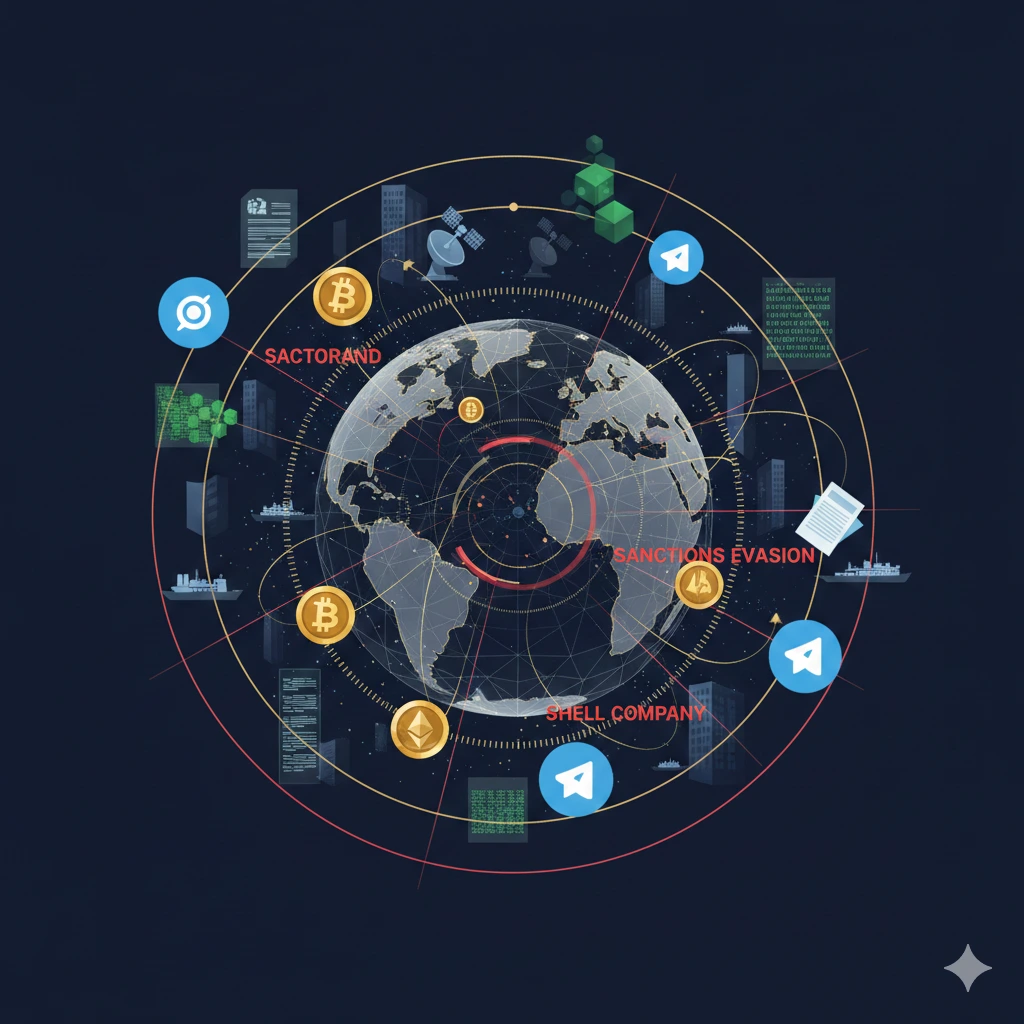
In the complex landscape of global security threats, arms procurement often relies on opaque financing mechanisms hidden within legitimate international trade. Commercial shipping records—such as bills of lading, cargo manifests, vessel tracking data, and port logs—serve as critical open-source indicators of illicit arms flows and the financial networks supporting them. These records reveal patterns in vessel movements, ownership structures, cargo declarations, and trade routes that can expose sanctions evasion, proliferation risks, and funding channels for weapons acquisitions. Knowlesys Open Source Intelligent System empowers intelligence professionals to harness these sources for comprehensive threat alerting and intelligence analysis in high-stakes international scenarios.
The Role of Commercial Shipping in Arms Procurement Financing
Arms procurement financing frequently exploits the vast volume of global maritime trade, where billions of tons of cargo move annually through legitimate channels. Illicit actors embed weapons shipments or dual-use items within ordinary commercial flows, using deceptive practices to obscure origins, destinations, and financial trails. Key indicators include irregularities in shipping documentation, anomalous vessel behaviors, and connections to high-risk entities.
Commercial records provide traceable evidence of these activities. Bills of lading detail shippers, consignees, cargo descriptions, weights, and ports, while manifests list all items aboard a vessel. When cross-referenced with vessel ownership histories and Automatic Identification System (AIS) data, these documents help map financing networks—often involving shell companies, frequent flag changes, or ship-to-ship transfers that facilitate payments through layered trade transactions.
Key OSINT Techniques for Monitoring Shipping Records
Effective tracking begins with aggregating and analyzing publicly available maritime data sources. Platforms like MarineTraffic, VesselFinder, and global port registries offer real-time and historical vessel positions, ownership details, and AIS patterns. Anomalies such as AIS disabling ("going dark"), indirect routing, or unscheduled stops in high-risk areas signal potential evasion tactics.
Bills of lading and manifests, accessible through databases covering major import/export jurisdictions, reveal discrepancies in declared cargo versus actual vessel capabilities or routes. For instance, mismatched weights, vague descriptions (e.g., "general cargo"), or repeated shipments to sanctioned entities can indicate concealed arms-related financing. Satellite imagery supplements these records by verifying physical transfers at sea or in remote ports.
Knowlesys Open Source Intelligent System enhances these techniques through intelligence discovery across global sources, including multilingual content from shipping forums, news, and trade databases. Its customizable monitoring captures real-time vessel-linked discussions, keyword alerts on arms-related terms, and propagation analysis to trace how financing information spreads online.
Identifying Financing Patterns in Shipping Data
Financing for arms procurement often manifests through trade-based money laundering within shipping networks. Repeated transactions involving the same entities, circuitous routes to obscure endpoints, or use of shadow fleets—older vessels with opaque ownership—point to structured payments disguised as legitimate trade.
Case patterns from open investigations show vessels involved in proliferation activities frequently exhibit synchronized behaviors: disabling AIS near sensitive ports, conducting ship-to-ship transfers in international waters, or changing flags to registries with lax oversight. These actions correlate with financial flows, as payments may route through intermediaries tied to shipping companies or brokers.
Knowlesys supports threat alerting by monitoring for these indicators in real time. Its intelligence analysis module processes metadata from shipping-related content, identifies behavioral clusters (e.g., anomalous account networks discussing vessel movements), and generates visual propagation paths to reveal coordinated financing efforts across platforms.
Challenges and Mitigation Strategies in Maritime OSINT
Deceptive practices pose significant hurdles: falsified manifests, false flagging, and document forgery obscure true cargo and financial intents. High-volume trade makes manual review impractical, while data gaps in less-regulated ports limit visibility.
Advanced platforms address these by integrating multi-source correlation. Knowlesys excels in this area, offering AI-driven sensitive content identification with high accuracy, face and multimedia溯源 for verifying imagery tied to shipments, and collaborative workflows for team-based intelligence sharing. This enables rapid validation of suspicious records against watchlists, historical patterns, and emerging hotspots.
Strategic Applications for Intelligence and Security Operations
In practice, tracking shipping records has exposed networks financing arms to conflict zones or sanctioned regimes. By monitoring vessel clusters linked to known proliferators, analysts uncover funding trails through repeated trade anomalies.
Knowlesys Open Source Intelligent System provides end-to-end support: from automated discovery of relevant OSINT in shipping databases and social discussions, to minute-level alerting on emerging risks, deep analysis of entity connections, and collaborative reporting. Its robust coverage of global platforms ensures comprehensive visibility into maritime-enabled financing schemes.
Conclusion: Building Proactive Defense Through OSINT
Commercial shipping records remain one of the most reliable windows into arms procurement financing. When leveraged with sophisticated OSINT tools, they transform fragmented data into actionable intelligence chains that disrupt illicit networks before threats materialize. Knowlesys continues to advance these capabilities, delivering precise, evidence-based support for intelligence discovery, threat alerting, and collaborative analysis in an increasingly interconnected global security environment.