Mapping the Financial Ecosystem of Transnational Organized Crime Groups
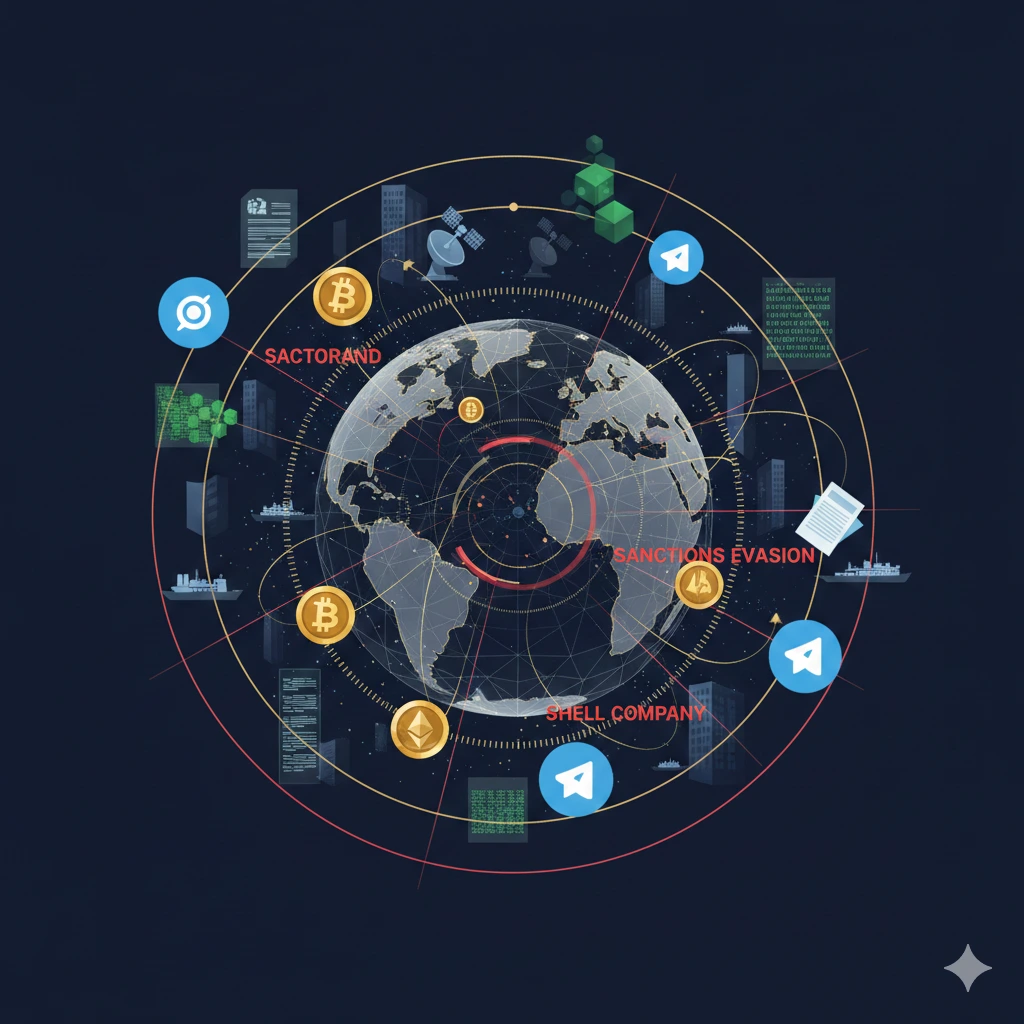
In the evolving landscape of global security threats, transnational organized crime groups (TOCGs) operate sophisticated financial ecosystems that sustain their operations across borders. These networks generate massive illicit revenues through drug trafficking, human smuggling, cyber fraud, wildlife trafficking, and other activities, with estimates indicating trillions in annual proceeds laundered worldwide. Understanding and disrupting these financial flows is essential for law enforcement, intelligence agencies, and national security entities. Knowlesys Open Source Intelligent System empowers professionals to uncover hidden linkages, trace illicit proceeds, and dismantle the economic foundations of these criminal enterprises through advanced intelligence discovery, alerting, analysis, and collaborative workflows.
The Scope and Scale of Illicit Financial Flows
Transnational organized crime generates enormous revenues, often laundered through complex mechanisms to integrate into legitimate economies. Reports from international bodies highlight that illicit financial flows distort markets, undermine development, and erode trust in global financial systems. Key revenue streams include drug cartels in Latin America, cyber scam operations in Southeast Asia, and mafia-style groups in Europe and beyond. These groups exploit vulnerabilities in formal and informal financial channels to move funds undetected.
The convergence of traditional and emerging methods amplifies the challenge. Criminal networks blend legacy systems with modern technologies, creating resilient pathways that evade conventional detection. Mapping these ecosystems requires comprehensive visibility into behavioral patterns, transaction correlations, and cross-jurisdictional movements.
Core Components of the Financial Ecosystem
TOCGs rely on layered financial infrastructures that include informal value transfer systems, cryptocurrencies, trade-based laundering, and shell entities. Informal networks like hawala enable trust-based transfers without formal records, often settling through trade or cash over extended periods. These systems pose persistent risks due to their anonymity and cross-border efficiency.
Modern adaptations incorporate cryptocurrencies, where proceeds from fraud or trafficking are converted into digital assets using mixers, privacy coins, or decentralized exchanges to obscure origins. Cyber-enabled schemes, particularly in Southeast Asia, merge underground banking with virtual assets, facilitating rapid, borderless movement of funds.
Additional layers involve front companies, casinos, and high-value assets such as real estate or commodities. Criminal actors exploit legitimate trade channels through mirror invoicing or overvaluation, embedding illicit proceeds in global supply chains. This multifaceted structure demands intelligence capabilities that span open sources, behavioral modeling, and network analysis.
Challenges in Mapping and Disruption
Mapping these ecosystems faces significant hurdles: jurisdictional fragmentation, rapid adaptation to countermeasures, and the blending of licit and illicit activities. Traditional monitoring often misses informal channels or digital innovations, allowing funds to flow unchecked. The transnational nature requires coordinated insights across platforms, regions, and time zones.
Intelligence gaps arise from data silos, limited real-time visibility, and the scale of daily online activity. Criminal groups exploit timezone masking, synchronized behaviors, and proxy structures to simulate legitimate operations, complicating attribution and intervention.
OSINT-Driven Approaches to Intelligence Discovery
Effective mapping begins with intelligence discovery across diverse sources. Knowlesys Open Source Intelligent System excels in real-time identification of sensitive information from global social media, forums, and websites. By monitoring key indicators such as suspicious account clusters, promotional content tied to illicit services, and emerging hotspots, the system uncovers early signals of financial activity.
Customizable tracking of target entities—including accounts, keywords, and influencers—enables focused discovery of registration patterns, interaction networks, and content themes linked to laundering operations. This proactive stance identifies convergence points where disparate criminal activities intersect, such as shared intermediaries or platforms facilitating fund movement.
Intelligence Alerting for Rapid Response
Timely detection is critical in countering dynamic financial networks. Knowlesys provides minute-level alerting for high-risk indicators, including sudden spikes in coordinated activity, references to informal transfer methods, or cryptocurrency-related discussions in criminal contexts. Multi-channel notifications ensure decision-makers receive actionable insights swiftly, enabling preemptive measures before funds are fully integrated.
The system's AI-driven recognition minimizes false positives while prioritizing threats based on propagation speed, volume, and sentiment, supporting rapid triage in high-stakes environments.
Intelligence Analysis: Building Comprehensive Profiles
Deep analysis transforms raw data into strategic understanding. Knowlesys offers multidimensional examination, including entity profiling, propagation tracing, geographic heatmapping, and association clustering. Analysts can construct visual knowledge graphs revealing collaborative patterns among accounts, companies, and jurisdictions involved in illicit finance.
By correlating registration behaviors, temporal patterns, and cross-platform interactions, the system exposes coordinated networks—such as those using hawala alongside crypto conversions or shell entities for asset concealment. Advanced features like behavioral resonance modeling quantify synchronization, highlighting operational nodes that sustain the ecosystem.
Collaborative Intelligence Workflows
Disrupting TOCGs requires team synergy. Knowlesys facilitates secure data sharing, task assignment, and real-time collaboration, breaking down silos and enriching collective intelligence. Analysts contribute complementary insights—from financial traces to network linkages—accelerating investigations and strengthening evidence chains.
Integrated workflows support end-to-end processes, from initial discovery to final reporting, ensuring compliance and traceability in sensitive operations.
Conclusion: Toward Systematic Disruption
Mapping the financial ecosystem of transnational organized crime groups demands integrated, technology-enabled intelligence that goes beyond surface-level monitoring. Knowlesys Open Source Intelligent System delivers the full lifecycle capabilities—intelligence discovery, alerting, analysis, and collaboration—needed to expose vulnerabilities, trace flows, and dismantle economic underpinnings. By harnessing open-source data with rigorous analytical frameworks, security professionals can shift from reactive defense to proactive disruption, safeguarding global stability against these pervasive threats.