How Multilingual Intelligence Monitoring Supports Defense Risk Assessment
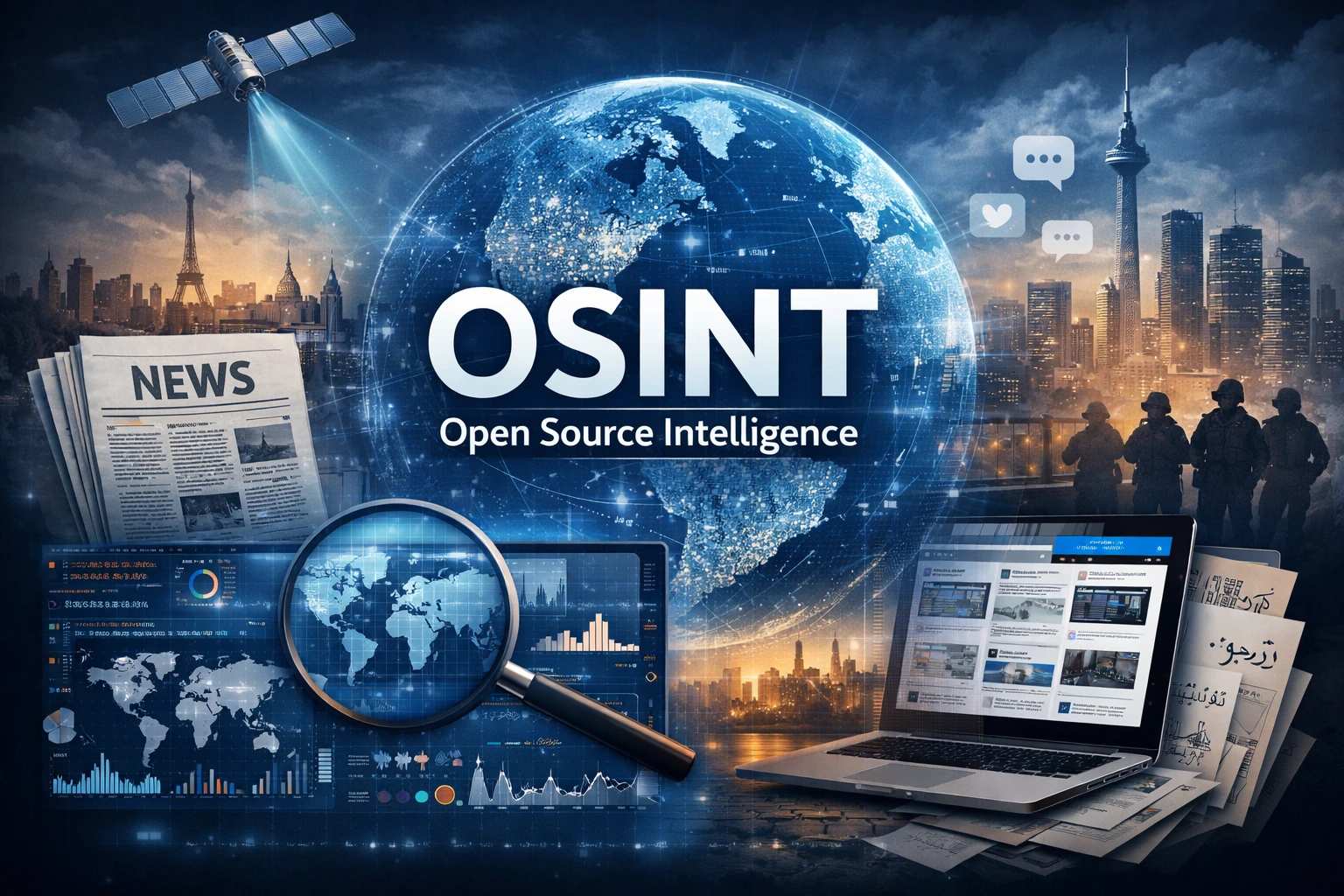
In an increasingly interconnected and multipolar world, defense organizations face threats that transcend national borders and linguistic boundaries. From coordinated disinformation campaigns in regional dialects to early indicators of geopolitical instability emerging in non-English media, the ability to monitor and interpret open-source information across multiple languages is no longer optional—it is a strategic imperative. Multilingual intelligence monitoring enables defense analysts to access a fuller spectrum of publicly available data, transforming fragmented signals into comprehensive risk insights that inform proactive decision-making.
Knowlesys Open Source Intelligent System stands at the forefront of this capability, delivering advanced OSINT tools designed for high-stakes defense and intelligence environments. By integrating real-time multilingual data acquisition, AI-powered semantic analysis, and collaborative workflows, the platform empowers users to detect emerging threats with greater speed, accuracy, and contextual depth.
The Evolving Threat Landscape Demands Multilingual Visibility
Modern defense risk assessment must account for threats originating from diverse global actors. Adversarial narratives, military movements, cyber intrusions, and influence operations often first appear in local languages on social media, forums, news outlets, and multimedia platforms. Relying solely on English-language sources creates critical blind spots, as key precursors to conflict, hybrid warfare, or asymmetric threats frequently surface in Arabic, Farsi, Mandarin, Russian, Spanish, or regional dialects.
Effective risk assessment requires capturing these signals early. Multilingual monitoring uncovers subtle patterns—such as synchronized messaging across platforms, sentiment shifts in local discussions, or spikes in specific terminology—that may signal escalation. Without this breadth, analysts risk delayed recognition of threats, reduced situational awareness, and diminished ability to allocate resources preemptively.
Core Capabilities of Multilingual OSINT in Defense Contexts
Advanced platforms like Knowlesys Open Source Intelligent System address these challenges through integrated features tailored to defense requirements.
Comprehensive Multilingual Data Collection and Coverage
The system supports over 20 languages, enabling seamless monitoring of global major social media platforms, news sites, forums, and multimedia content. This includes real-time discovery of text, images, and videos containing sensitive indicators, with customizable dimensions such as keywords, hashtags, geographic regions, and targeted accounts or key opinion leaders.
In defense scenarios, this capability ensures coverage of high-risk jurisdictions and emerging markets where threats often manifest first in native languages. For instance, monitoring discussions in Arabic dialects or Farsi can reveal early warnings related to regional instability, proxy activities, or supply chain vulnerabilities.
AI-Driven Semantic Understanding and Translation Accuracy
Beyond mere translation, the platform employs context-aware AI models to perform high-precision semantic analysis, sentiment detection, and cross-language correlation. This overcomes common pitfalls like dialectal variations, slang, informal expressions, and cultural nuances that generic tools often misinterpret.
By processing mixed-language environments and delivering near-human-quality insights, Knowlesys reduces noise and highlights actionable intelligence—such as coordinated influence operations or anomalous behavioral patterns—allowing defense teams to focus on strategic evaluation rather than manual triage.
Intelligence Alerting and Early Warning Mechanisms
Threats evolve rapidly, demanding minute-level response times. The system's intelligence alerting engine identifies sensitive OSINT with exceptional speed, pushing notifications via multiple channels when predefined thresholds for propagation velocity, volume, or negativity are met.
In defense risk assessment, this facilitates rapid identification of escalation indicators, enabling preemptive measures like diplomatic engagement, force posture adjustments, or counter-narrative strategies before threats materialize into kinetic actions.
Deep Analysis for Risk Correlation and Attribution
Multilingual monitoring extends into multidimensional analysis, including account profiling, propagation path tracing, geographic heatmapping, and entity resolution. These tools help uncover hidden linkages—such as foreign influence networks or coordinated disinformation efforts—across linguistic divides.
Knowlesys supports behavioral clustering and graph-based reasoning to map collaborative patterns, providing defense analysts with evidence chains for attributing risks to specific actors or campaigns. This depth is essential for distinguishing organic discourse from orchestrated operations targeting military alliances or critical infrastructure.
Real-World Defense Applications and Strategic Value
Multilingual intelligence monitoring has proven indispensable in homeland defense, counterterrorism, and geopolitical risk management. Defense organizations leverage these capabilities to:
- Track adversarial narratives in contested regions, identifying early signs of hybrid threats or information warfare.
- Monitor supply chain risks through local-language discussions on forums and social platforms in manufacturing hubs.
- Support alliance operations by synthesizing insights from partner-nation media in multiple languages.
- Enhance force protection through real-time awareness of localized threats to deployed personnel.
By integrating these functions into collaborative workflows, Knowlesys enables cross-team intelligence sharing and report generation, ensuring that multilingual insights translate into unified operational responses. The platform's emphasis on data sovereignty, encryption, and compliance further aligns with defense requirements for secure, auditable intelligence processes.
Conclusion: Building Resilient Defense Through Linguistic Inclusivity
In the face of globalized threats, monolingual intelligence gathering is a vulnerability. Multilingual monitoring bridges this gap, providing defense organizations with the visibility needed to anticipate, assess, and mitigate risks effectively. Knowlesys Open Source Intelligent System delivers the technological foundation—combining broad coverage, precise analysis, rapid alerting, and collaborative tools—to support mission-critical risk assessment in dynamic environments.
As threats continue to evolve in complexity and reach, investing in multilingual OSINT capabilities is essential for maintaining strategic advantage and safeguarding national security interests.