The Evolution from Traditional Monitoring to Intelligent OSINT Systems
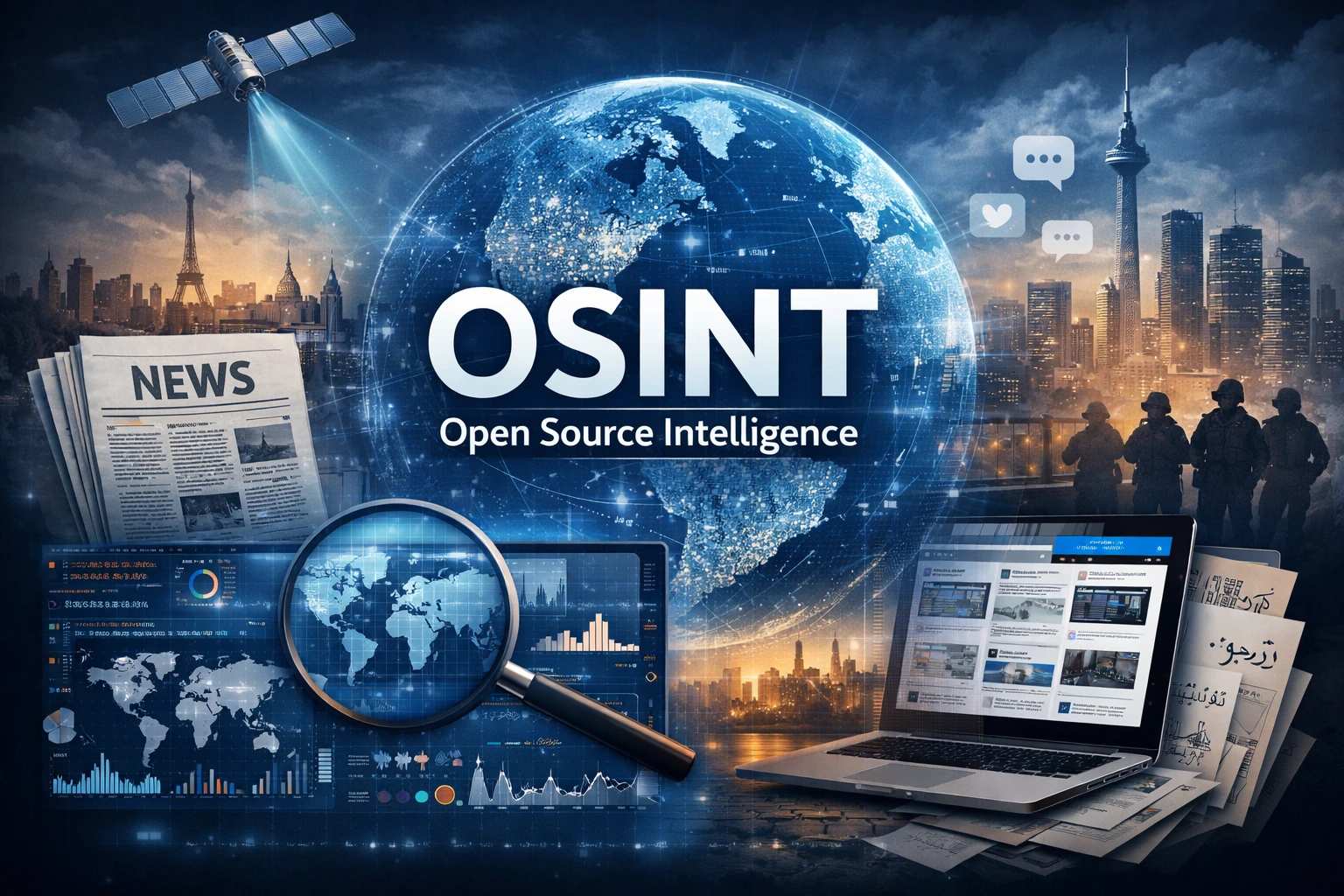
In the landscape of intelligence gathering, the shift from traditional monitoring practices to advanced, intelligent open-source intelligence (OSINT) systems represents one of the most profound transformations in modern security and investigative operations. What began as labor-intensive reviews of newspapers, radio broadcasts, and television reports has evolved into sophisticated, AI-powered platforms capable of processing billions of data points in real time. This progression has been driven by the explosive growth of digital information, the rise of social media, and breakthroughs in artificial intelligence, enabling proactive intelligence discovery, rapid threat alerting, in-depth analysis, and seamless collaborative workflows.
I. The Foundations: Traditional Monitoring in the Pre-Digital Era
Traditional monitoring, often referred to as first-generation OSINT, relied heavily on passive collection from conventional media sources. During World War II and the Cold War, organizations such as the U.S. Foreign Broadcast Information Service (FBIS) and the BBC Monitoring Service systematically translated and analyzed foreign radio broadcasts, newspapers, and public documents. Analysts manually sifted through printed materials and recorded transmissions to identify relevant insights, focusing primarily on textual content and official statements.
These methods were resource-intensive and time-consuming, with intelligence production cycles measured in days or weeks. Coverage was limited to accessible mainstream channels, and the absence of real-time capabilities meant that emerging threats or shifts in public sentiment often went undetected until after significant developments had occurred. While effective for strategic overviews, traditional monitoring struggled with volume, velocity, and the nuanced behavioral signals embedded in modern digital interactions.
II. The Digital Catalyst: From Passive Collection to Active Intelligence
The advent of the internet and social media in the 1990s marked the transition to second-generation OSINT. Platforms like Twitter (now X), Facebook, YouTube, and emerging forums democratized information sharing, generating unprecedented volumes of publicly available data. This shift expanded OSINT sources beyond traditional media to include user-generated content, online databases, geotagged posts, multimedia uploads, and cross-platform interactions.
Early digital monitoring tools introduced basic automation for keyword tracking and simple alerts, but they remained largely reactive. Analysts still faced information overload, manual verification challenges, and difficulties in tracing propagation paths or identifying coordinated activities. The core limitation was the lack of intelligent processing: systems collected data but could not autonomously discern patterns, anomalies, or high-value intelligence amid the noise.
III. The AI-Driven Revolution: Emergence of Intelligent OSINT Systems
Today's intelligent OSINT systems represent a fundamental leap forward, integrating artificial intelligence, machine learning, big data analytics, and multi-dimensional processing to create full-lifecycle intelligence ecosystems. These platforms transform raw open-source data into actionable intelligence through automated discovery, minute-level alerting, comprehensive analysis, team collaboration, and automated reporting.
Knowlesys has been at the forefront of this evolution, developing the Knowlesys Open Source Intelligent System as a professional-grade solution tailored for law enforcement, intelligence agencies, and security operations. The system exemplifies the move from passive monitoring to proactive intelligence by enabling real-time scanning of global social media, websites, and multimedia sources—processing up to 1 billion items daily across 20+ languages.
Key advancements include:
- Intelligence Discovery: Full-spectrum capture of text, images, and videos, with AI-driven identification of sensitive content, breaking free from text-only constraints.
- Threat Alerting: AI-powered detection achieves discovery in as little as 10 seconds and early warnings within minutes, providing critical lead time to prevent escalation.
- Intelligence Analysis: Multi-layered capabilities such as account profiling, fake account detection, propagation path tracing, key opinion leader evaluation, geographic heatmaps, and multimedia forensics deliver granular insights.
- Collaborative Workflows: Team-oriented features like task assignment, shared data pools, and instant notifications eliminate silos and accelerate decision-making.
- Reporting Automation: One-click generation of formatted reports in HTML, Word, Excel, or PPT, complete with visualizations, drastically reducing manual effort.
These features address longstanding pain points of traditional approaches, such as delayed detection, incomplete coverage of short-video platforms, difficulty tracing deleted content, and challenges in monitoring coordinated disinformation campaigns.
IV. Comparative Impact: Traditional vs. Intelligent Systems
| Aspect | Traditional Monitoring | Intelligent OSINT Systems (e.g., Knowlesys) |
|---|---|---|
| Data Sources | Mainstream media (newspapers, radio, TV) | Global social platforms, websites, multimedia, dark/deep web elements |
| Processing Speed | Days to weeks | Seconds to minutes |
| Coverage Volume | Limited to accessible channels | Billions of items daily, multilingual, multi-format |
| Intelligence Type | Primarily descriptive | Proactive, predictive, behavioral, networked |
| Accuracy & Automation | High manual effort, prone to oversight | AI accuracy up to 96% for sensitive detection, minimal manual intervention |
| Collaboration & Reporting | Manual sharing and compilation | Integrated workflows and automated, visualized reports |
This comparison illustrates how intelligent systems not only scale operations but also enhance precision, timeliness, and operational impact.
V. Strategic Implications and Future Outlook
The transition to intelligent OSINT has democratized high-value intelligence capabilities while raising the bar for national security, counterterrorism, cybersecurity, and risk management. Platforms like the Knowlesys Open Source Intelligent System empower organizations to move from reactive crisis management to anticipatory strategies, identifying threats before they materialize and uncovering hidden networks through data-driven correlation.
With 20 years of specialized experience, Knowlesys continues to refine these capabilities, accumulating vast datasets and ensuring compliance with global data security standards. As threats grow more interconnected and information volumes continue to explode, the future lies in ever-smarter integration of AI, human oversight, and ethical frameworks—ensuring OSINT remains a trusted pillar of modern intelligence operations.
Conclusion: Embracing the Intelligent Future
The evolution from traditional monitoring to intelligent OSINT systems is not merely technological progress; it is a paradigm shift toward faster, more comprehensive, and more collaborative intelligence. By leveraging platforms that automate discovery, accelerate alerting, deepen analysis, and streamline collaboration, organizations can achieve decisive advantages in an era defined by information velocity and complexity. Knowlesys stands as a leader in this transformation, delivering the tools necessary to turn open-source data into strategic foresight and operational superiority.