Why Local Newspapers Are an Indispensable Source in OSINT Frameworks
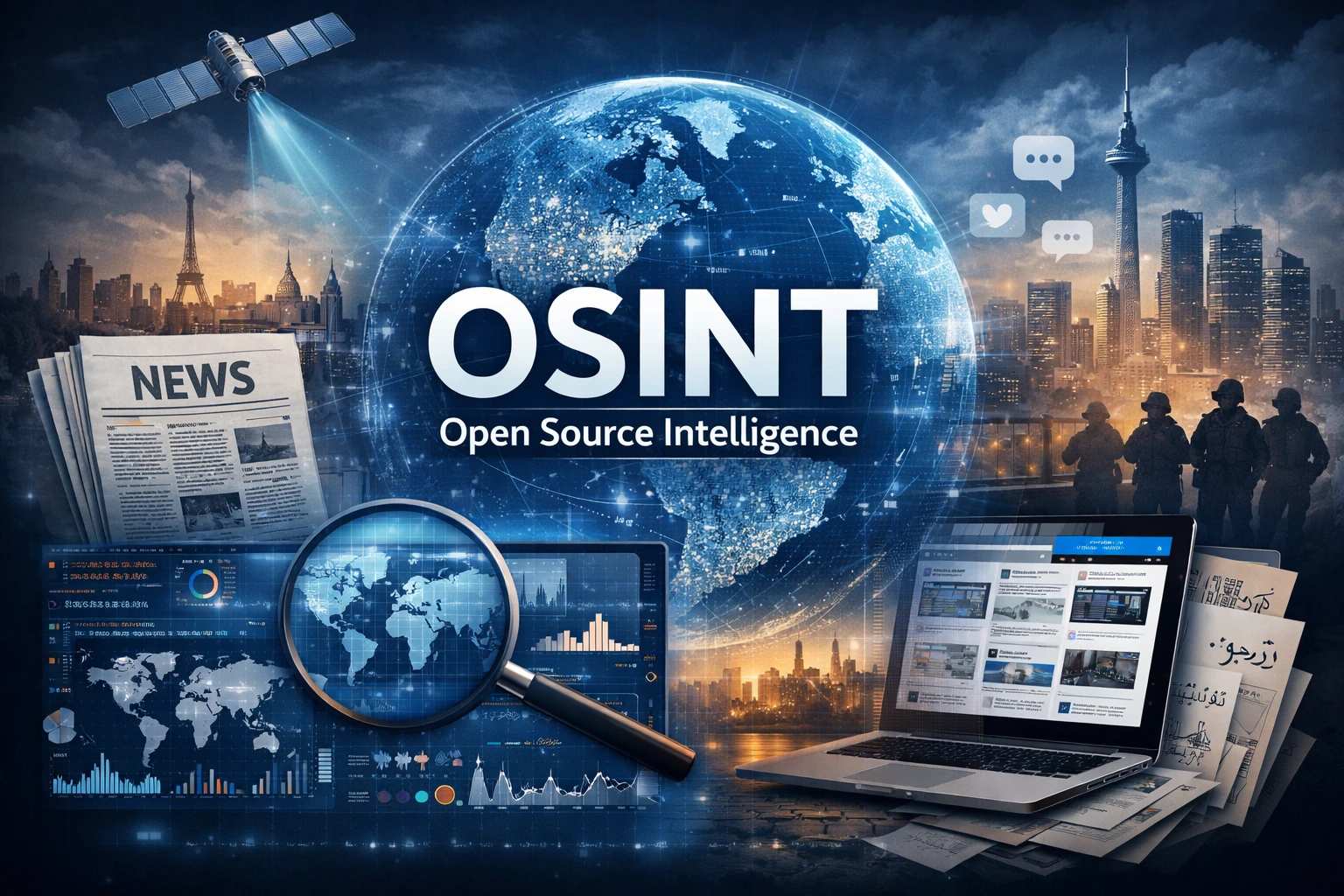
In the evolving landscape of open-source intelligence (OSINT), where vast amounts of data from social media, forums, and global news outlets dominate collection efforts, local newspapers remain a cornerstone of reliable, granular intelligence. These publications provide hyper-local context, firsthand accounts, and details often absent from broader digital sources. For intelligence professionals, law enforcement agencies, and security analysts, incorporating local newspapers into OSINT workflows enhances accuracy, uncovers hidden patterns, and supports evidence-based decision-making in threat assessment, investigative operations, and strategic monitoring.
The Unique Value of Local Reporting in Intelligence Gathering
Local newspapers excel in delivering information tied to specific geographic areas, communities, and events. Unlike national or international media, which prioritize high-level narratives, local outlets focus on municipal decisions, community incidents, regional developments, and grassroots perspectives. This granularity is essential in OSINT, where understanding micro-level dynamics can reveal macro-level threats or opportunities.
Historically, OSINT has drawn from traditional media, including newspapers, to monitor public sentiment, track events, and verify facts. During periods such as World War II and the Cold War, analysts relied on newspapers to gauge troop movements, public opinion, and governmental intentions. Today, this principle endures: local newspapers offer primary-source material that complements digital footprints, providing context that social media often lacks in depth or reliability.
Key advantages include:
- Proximity and Specificity: Coverage of town hall meetings, local crime reports, infrastructure projects, or community protests delivers details unavailable elsewhere.
- Accountability and Trust: Local journalists maintain close ties to sources, fostering higher factual accuracy and reducing misinformation risks compared to unverified online content.
- Historical Continuity: Archived local reporting creates longitudinal data sets for trend analysis, such as recurring environmental concerns or shifting political alliances in a region.
Integration with Modern OSINT Platforms
Advanced OSINT systems like the Knowlesys Open Source Intelligent System incorporate local newspapers as part of comprehensive intelligence discovery. By monitoring a wide array of sources—including print and digital local publications—the platform enables real-time collection and analysis of region-specific information. This capability supports intelligence discovery by identifying emerging risks in underserved areas, such as localized unrest or economic shifts that may signal broader instability.
Knowlesys facilitates targeted monitoring of local news through customizable parameters, allowing users to track keywords, geographic regions, or specific outlets. Combined with AI-driven filtering, the system processes high volumes of data to highlight relevant articles, reducing noise and accelerating insight generation. For instance, in threat alerting scenarios, local reports on unusual activities—such as community gatherings or infrastructure vulnerabilities—can trigger early warnings before escalation.
Enhancing Intelligence Analysis Through Local Context
In intelligence analysis, local newspapers bridge gaps left by aggregated digital sources. Social media may capture viral moments, but local reporting provides backstory, stakeholder quotes, and corroborating details. This is particularly valuable in:
- Geospatial Intelligence: Mapping event locations and impacts based on precise local descriptions.
- Human Network Mapping: Identifying key local figures, influencers, or organizations mentioned in coverage.
- Sentiment and Trend Tracking: Gauging grassroots opinions on policy changes or security issues through editorials and letters.
Collaborative intelligence workflows benefit immensely, as teams can share annotated local articles within the platform, building comprehensive dossiers. Knowlesys supports this by enabling data sharing, visualization of propagation paths, and integration with other OSINT layers for multi-faceted analysis.
Real-World Applications and Case Relevance
Consider scenarios involving regional security threats: a local newspaper might first report on suspicious gatherings or supply chain disruptions in a remote area, providing leads for further investigation. In counter-disinformation efforts, discrepancies between local accounts and national narratives can expose manipulation attempts. Similarly, in monitoring transnational issues like migration or resource conflicts, local sources offer on-the-ground perspectives that inform predictive modeling.
Knowlesys has proven effective in such contexts by aggregating diverse sources, including local media, to deliver actionable intelligence. Its emphasis on real-time processing and multilingual support ensures that even non-English local publications contribute meaningfully to global threat pictures.
Challenges and Best Practices
While invaluable, local newspapers present challenges such as limited digital archives, paywalls, or irregular publication schedules. OSINT practitioners mitigate these through automated scraping (where compliant), subscription integrations, and cross-verification with other sources.
Best practices include:
- Establishing dedicated feeds for priority regions.
- Combining local data with social media for validation.
- Using AI tools for translation and summarization to scale coverage.
- Maintaining rigorous source evaluation to uphold reliability.
Platforms like Knowlesys address these by offering robust acquisition engines, semantic understanding, and human-machine consensus mechanisms for confident analysis.
Conclusion: Strengthening OSINT Resilience with Local Sources
As digital noise increases and misinformation proliferates, local newspapers serve as an anchor of credibility in OSINT frameworks. Their depth, locality, and journalistic standards make them indispensable for uncovering truths that broader sources overlook. By leveraging systems like the Knowlesys Open Source Intelligent System, organizations can systematically integrate local media into intelligence discovery, threat alerting, and collaborative workflows—ensuring more comprehensive, timely, and trustworthy outcomes in an increasingly complex information environment.