Why Government Intelligence Is Undergoing Comprehensive OSINT Integration
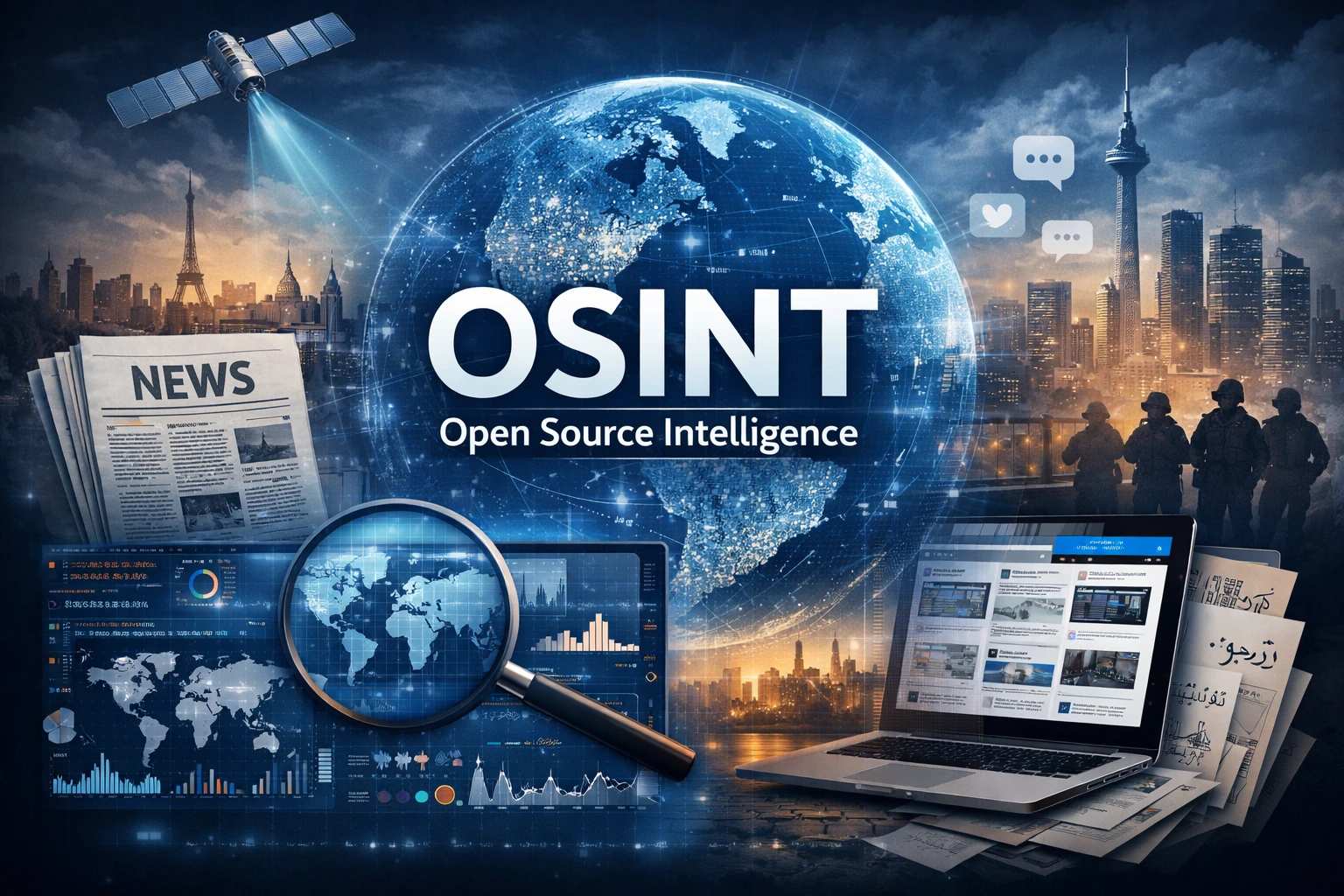
In an increasingly complex global threat environment characterized by hybrid warfare, rapid information flows, and asymmetric risks, government intelligence agencies are prioritizing the full integration of Open Source Intelligence (OSINT) into their core operations. What was once viewed primarily as a supplementary data source has evolved into a foundational discipline that drives efficiency, enhances situational awareness, and enables proactive decision-making. Knowlesys, a leader in advanced OSINT technologies, delivers platforms like the Knowlesys Open Source Intelligent System that support this transformation by providing robust intelligence discovery, alerting, analysis, and collaborative workflows tailored to high-stakes government environments.
The Evolving Role of OSINT in the Modern Intelligence Cycle
Historically, intelligence cycles relied heavily on classified collection methods such as human intelligence (HUMINT) and signals intelligence (SIGINT). Today, publicly and commercially available information forms the backbone of many analytical products. OSINT now often contributes the majority of foundational context in finished intelligence, allowing agencies to address priority requirements with greater speed and lower risk. This shift is driven by the exponential growth of digital public data—from social media platforms and geospatial imagery to news outlets and commercial databases—which provides real-time insights into adversary intentions, capabilities, and activities.
Integration enables OSINT to serve as the "INT of first resort," enriching all-source analysis while preserving scarce classified resources for high-value targets. Agencies benefit from unclassified products that facilitate broader sharing with partners, policymakers, and non-traditional stakeholders, improving coordination across diplomatic, military, and law enforcement domains.
Key Drivers Behind Comprehensive OSINT Adoption
Several converging factors are accelerating OSINT's elevation within government intelligence frameworks. Foremost is the need for timely, actionable insights amid fast-moving events. Traditional collection methods can involve delays and operational risks, whereas OSINT delivers near-real-time visibility into emerging threats such as disinformation campaigns, cyber activities, and geopolitical shifts.
Technological advancements in artificial intelligence, machine learning, and big data analytics further propel integration. These tools automate the processing of vast datasets, identify patterns, and generate predictive indicators, transforming raw open source material into strategic advantage. Policy directives, including strategies from national intelligence leadership, emphasize streamlining data acquisition, fostering innovation, standardizing tradecraft, and building skilled workforces to capitalize on open source potential while upholding privacy and civil liberties protections.
Economic considerations also play a significant role. OSINT offers a cost-effective complement to expensive classified operations, enabling agencies to maximize resources and achieve broader coverage across global threats.
Strategic Benefits for National Security and Intelligence Operations
Comprehensive OSINT integration delivers measurable advantages across the intelligence lifecycle. In intelligence discovery, platforms systematically capture multi-modal content from global sources, including text, images, and videos, to uncover hidden linkages and anomalous behaviors. Early warning capabilities trigger rapid alerts on sensitive developments, providing critical lead time for response.
During analysis phases, OSINT supports multi-dimensional assessments—such as subject profiling, propagation mapping, and influence evaluation—through visualization tools like knowledge graphs and heat maps. This accelerates investigations, reduces manual effort, and enhances accuracy in identifying coordinated activities or threat networks.
Collaboration features enable secure sharing and team-based workflows, breaking down silos and enriching collective understanding. Reporting tools automate the generation of compliant documents in various formats, ensuring timely dissemination to decision-makers.
Knowlesys Open Source Intelligent System exemplifies these benefits by offering end-to-end support for government use cases, from real-time threat alerting to collaborative intelligence production, helping agencies maintain information superiority in dynamic environments.
Addressing Challenges Through Structured Integration
While the advantages are clear, successful integration requires overcoming hurdles such as data overload, verification of sources, and coordination across entities. Modern platforms mitigate these through advanced filtering, AI-driven validation, and standardized processes. Governance frameworks ensure ethical use, data security, and compliance with international standards, building trust in OSINT-derived insights.
Investments in workforce development—through specialized training and tradecraft updates—equip analysts to leverage OSINT effectively alongside other disciplines, creating a balanced, resilient intelligence ecosystem.
Conclusion: Positioning for Future Intelligence Dominance
Government intelligence is undergoing comprehensive OSINT integration because it represents a strategic imperative in the digital age. By embracing open source capabilities, agencies gain unmatched speed, scale, and shareability, complementing traditional methods to deliver superior decision advantage. As threats continue to evolve, platforms like the Knowlesys Open Source Intelligent System provide the technological foundation for sustained excellence in intelligence discovery, alerting, analysis, and collaboration—ensuring governments remain ahead in an era defined by information dominance.