The Strategic Role of Local Media in Regional Security Intelligence Assessment
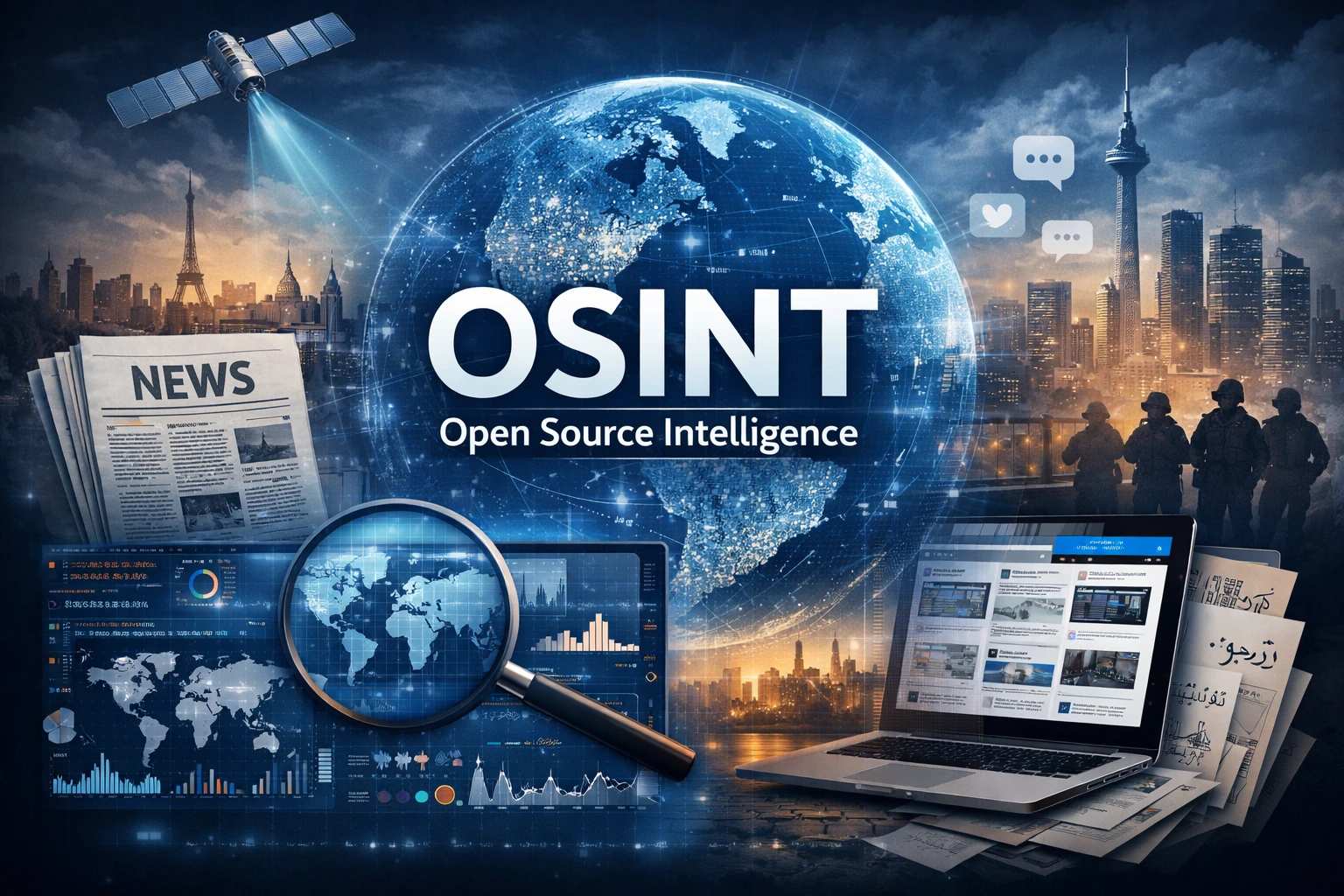
In an increasingly interconnected yet fragmented global security environment, regional threats often emerge first in localized contexts before escalating to national or international levels. Local media outlets—ranging from community newspapers and regional broadcasters to hyper-local online news portals—serve as critical frontline sensors in this landscape. These sources provide granular, context-rich insights into emerging risks, public sentiments, and early indicators of instability that broader national or international media may overlook or report with significant delay. Within the domain of Open Source Intelligence (OSINT), local media has evolved from a supplementary reference to a strategic cornerstone for intelligence discovery, threat alerting, and comprehensive regional security assessment.
Knowlesys Open Source Intelligent System exemplifies how advanced OSINT platforms harness local media alongside global sources to deliver actionable intelligence. By enabling real-time monitoring of diverse media ecosystems, the system empowers security professionals to detect subtle shifts in regional dynamics, from localized unrest to coordinated influence operations, transforming fragmented local reports into coherent threat pictures.
I. The Unique Value of Local Media in OSINT Frameworks
Local media outlets possess inherent advantages in regional security intelligence due to their proximity to events and deep community embedding. Unlike national or international wires, local sources often capture nuances such as dialect-specific narratives, community-level grievances, and micro-level incidents that signal broader vulnerabilities. These details are essential for early threat detection in areas prone to ethnic tensions, resource disputes, or insurgent activities.
In OSINT methodologies, local media contributes to multi-layered intelligence collection. It fills gaps left by classified sources, offering verifiable public corroboration for human intelligence (HUMINT) or signals intelligence (SIGINT). For instance, reports on localized protests, infrastructure sabotage, or unusual community gatherings can serve as leading indicators of organized threats. The decline of traditional local journalism in some regions has heightened risks, as reduced coverage creates blind spots exploitable by adversaries for subversive activities.
Knowlesys Open Source Intelligent System addresses these challenges through comprehensive data acquisition capabilities, scanning mainstream news, regional portals, and niche outlets across global platforms. This ensures that even remote or underrepresented local sources are integrated into intelligence workflows, supporting timely discovery of regionally specific risks.
II. Enhancing Threat Alerting Through Localized Contextualization
Effective threat alerting relies on speed and relevance. Local media frequently provides the earliest public signals of brewing security issues, such as rising communal tensions, suspicious movements, or emerging criminal patterns. OSINT platforms that prioritize local sources can trigger alerts in near real-time, enabling proactive responses before incidents escalate.
Key mechanisms include:
- Geographic and Topical Filtering: Custom monitoring of region-specific keywords, events, and entities to isolate local developments from global noise.
- Sentiment and Trend Analysis: AI-driven evaluation of tone and volume in local reporting to quantify shifts in public perception or risk levels.
- Cross-Verification: Correlating local accounts with social media echoes and national coverage to confirm authenticity and assess propagation potential.
Knowlesys Open Source Intelligent System excels in this area with its intelligence alerting module, which delivers minute-level notifications based on predefined thresholds for mention volume, negative sentiment, or propagation speed. By incorporating local media feeds, the platform ensures alerts reflect ground-level realities, critical for homeland security, counterterrorism, and regional stability operations.
III. Intelligence Analysis: Building Comprehensive Regional Pictures
Regional security assessment demands holistic analysis beyond isolated events. Local media provides rich datasets for mapping threat actors, influence networks, and vulnerability hotspots. Through systematic collection, OSINT tools enable:
- Propagation Path Tracing: Identifying how local incidents spread or connect to wider networks.
- Actor Profiling: Analyzing authorship patterns, affiliations, and behavioral indicators in local reports.
- Geospatial Correlation: Overlaying media mentions with location data to visualize threat concentrations.
Advanced platforms like Knowlesys Open Source Intelligent System support these processes with visualization tools, including knowledge graphs and heat maps. Analysts can trace event origins, evaluate coordination signals, and predict escalation trajectories based on historical patterns derived from local media archives. This analytical depth transforms raw local reporting into strategic foresight, aiding decision-makers in resource allocation and preventive measures.
IV. Collaborative Intelligence Workflows and Local Media Integration
Regional security intelligence thrives on collaboration across agencies and partners. Local media insights facilitate shared situational awareness, enabling joint assessments of cross-border threats or domestic vulnerabilities. OSINT systems streamline this by supporting data sharing, task assignment, and consensus-building among teams.
Knowlesys Open Source Intelligent System incorporates robust collaboration features, allowing secure sharing of curated intelligence derived from local media. Teams can assign investigations, broadcast alerts, and consolidate findings into unified reports, ensuring that localized observations contribute to collective threat understanding and response coordination.
V. Challenges and Best Practices in Leveraging Local Media for OSINT
While powerful, local media integration presents challenges such as source credibility verification, language barriers, and potential biases. Best practices include:
- Multi-source triangulation to mitigate misinformation risks.
- AI-assisted credibility scoring based on historical accuracy and network position.
- Continuous model refinement using feedback loops to improve regional relevance.
Knowlesys Open Source Intelligent System mitigates these through high-precision data extraction, semantic understanding across languages, and human-machine consensus mechanisms, ensuring reliable intelligence even from diverse local sources.
VI. Conclusion: Elevating Regional Security Through Local Media-Driven OSINT
Local media remains an indispensable pillar of regional security intelligence assessment, offering unmatched proximity to emerging threats and contextual depth absent in aggregated global sources. When integrated into sophisticated OSINT platforms, it enables proactive intelligence discovery, rapid threat alerting, in-depth analysis, and effective collaborative workflows.
Knowlesys Open Source Intelligent System represents the cutting edge of this capability, equipping intelligence professionals with the tools to monitor vast media landscapes, uncover hidden patterns, and deliver timely, evidence-based insights. In an era of hybrid threats and rapid information flows, prioritizing local media within OSINT strategies is not merely advantageous—it is essential for maintaining regional stability and safeguarding national interests.