Why Government Intelligence Assessment Relies on Local Media OSINT Data
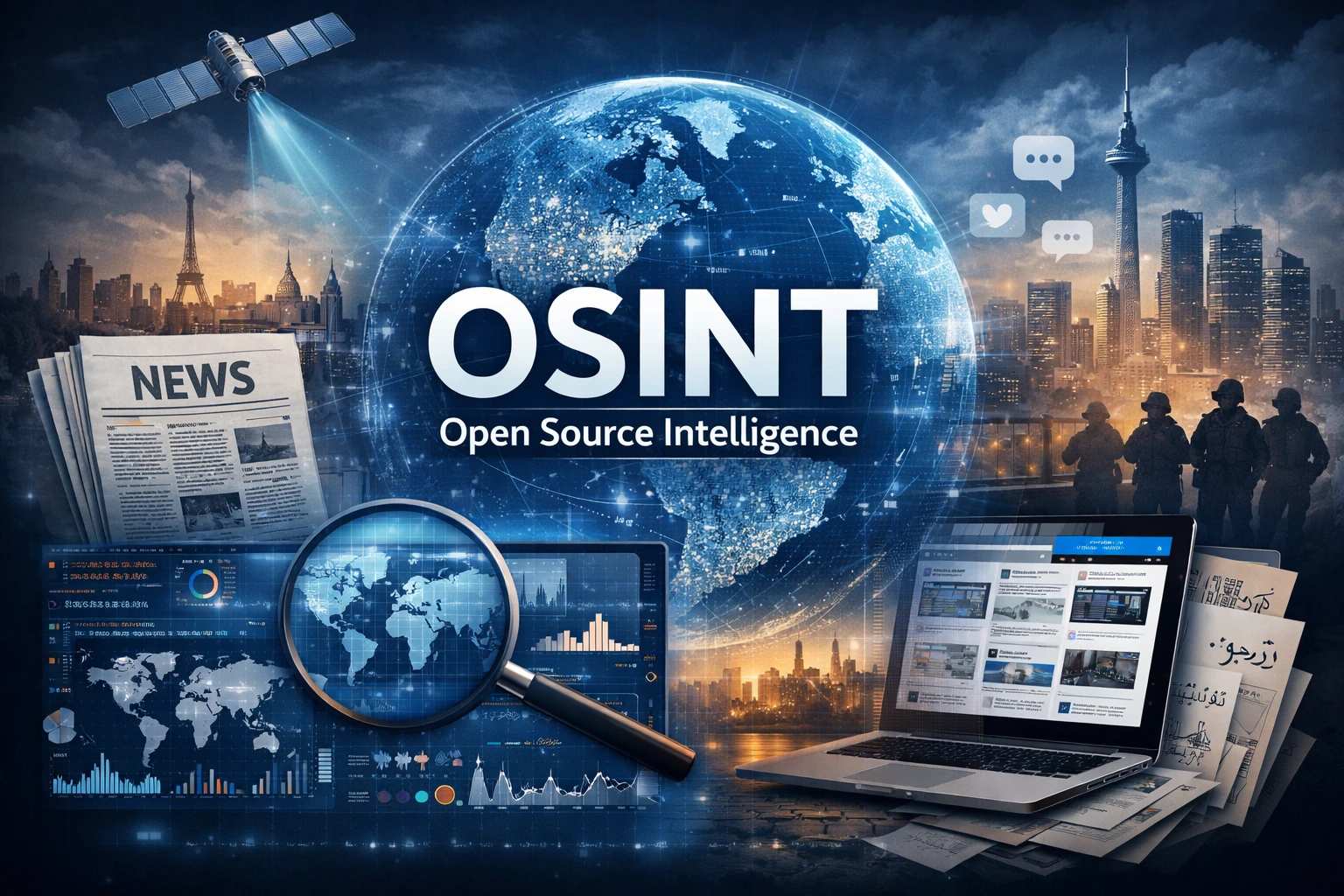
In the complex landscape of modern national security, governments face an ever-expanding array of threats ranging from terrorism and cyber intrusions to geopolitical instability and disinformation campaigns. While classified intelligence sources remain essential, a growing consensus within intelligence communities highlights the indispensable role of Open Source Intelligence (OSINT) derived from publicly available information. Among these sources, local media—regional newspapers, community broadcasts, hyper-local online outlets, and vernacular publications—stands out as a foundational pillar for accurate, timely, and contextually rich intelligence assessment. Platforms like the Knowlesys Open Source Intelligent System empower government entities to harness this data effectively, transforming scattered local reports into actionable strategic insights.
The Unique Value of Local Media in the OSINT Ecosystem
Local media outlets provide granular, ground-level perspectives that international or national sources often overlook or aggregate too broadly. Unlike global news wires that prioritize high-impact stories, regional publications capture everyday events, community sentiments, and subtle shifts in public opinion that serve as early indicators of emerging risks. For instance, reports on localized protests, resource disputes, or unusual gatherings in remote areas frequently appear first in local press before gaining wider attention. This immediacy allows intelligence analysts to detect potential escalations—such as radicalization trends or coordinated activities—long before they manifest on larger platforms.
Research and operational experience underscore that local media delivers higher contextual accuracy in culturally diverse or linguistically specific regions. International coverage may rely on translations or second-hand accounts, introducing delays and potential misinterpretations. In contrast, native-language local reports reflect authentic phrasing, regional idioms, and unspoken assumptions that reveal intent more reliably. Government assessments benefit from this authenticity when evaluating threats in border regions, ethnic enclaves, or conflict-prone provinces where centralized narratives may be incomplete or biased.
Real-Time Threat Detection and Situational Awareness
One of the primary reasons governments prioritize local media OSINT is its contribution to real-time situational awareness. During crises—natural disasters, civil unrest, or security incidents—local outlets often serve as the first responders in information dissemination. Eyewitness accounts, official statements from municipal authorities, and community reactions published regionally offer unfiltered views that complement satellite imagery or social media feeds.
In homeland security contexts, monitoring local media enables early identification of anomalies. For example, patterns in regional crime reporting, unexplained infrastructure disruptions, or spikes in certain types of incidents can signal coordinated threats or foreign influence operations. The Knowlesys Open Source Intelligent System excels in this domain by facilitating intelligence discovery across diverse sources, including regional websites and media platforms. Its capabilities support rapid scanning of vast data volumes, pinpointing relevant local content to generate timely alerts and prevent threat escalation.
Countering Disinformation and Verifying Narratives
Disinformation campaigns frequently exploit gaps between global perceptions and on-the-ground realities. Local media acts as a critical counterbalance, providing verifiable details that challenge manipulated narratives. Intelligence agencies use regional sources to cross-verify claims circulating on international networks, identifying inconsistencies that indicate propaganda or hybrid warfare tactics.
By analyzing local reporting patterns—such as variations in coverage of the same event across neighboring regions—analysts can map influence operations or detect coordinated messaging. This layered verification process strengthens overall intelligence products, ensuring assessments rest on diverse, corroborative evidence rather than singular sources. Knowlesys Open Source Intelligent System enhances this workflow through intelligence analysis features that trace content origins, evaluate propagation paths, and highlight discrepancies across media tiers.
Building Comprehensive Behavioral and Network Profiles
Effective intelligence assessment requires understanding actors within their operational environments. Local media contributes uniquely by documenting community ties, influential figures, and historical contexts absent from broader coverage. Reports on local events, elections, or economic developments reveal networks of power, alliances, and grievances that inform threat actor profiling.
In counterterrorism and counter-extremism efforts, regional outlets often expose recruitment patterns, radical rhetoric in community settings, or shifts in public tolerance for extremist views. These insights enable predictive modeling and proactive interventions. The collaborative intelligence features within Knowlesys Open Source Intelligent System allow teams to integrate local media data into shared workflows, enriching profiles with multi-dimensional evidence and supporting joint analysis across agencies.
Addressing Coverage Gaps in Global Monitoring
Global OSINT efforts can suffer from urban or English-centric biases, leaving rural, non-English-speaking, or peripheral areas underrepresented. Local media fills these voids, ensuring comprehensive geographic coverage essential for national security. In vast or archipelagic nations, for instance, provincial newspapers and radio stations provide the only consistent reporting on remote developments with potential spillover effects.
Governments leverage this to maintain vigilance over critical infrastructure, migration routes, and resource hotspots. The Knowlesys platform's emphasis on customizable monitoring dimensions—including geographic regions and local key opinion leaders—enables focused collection from underrepresented areas, ensuring no blind spots compromise threat alerting or intelligence analysis.
Integration with Broader Intelligence Workflows
While local media OSINT offers immense value independently, its greatest impact emerges when fused with other disciplines. Combining regional reports with social media trends, geospatial data, and classified inputs creates a fuller threat picture. Government agencies increasingly adopt integrated platforms to streamline this fusion, reducing silos and accelerating decision cycles.
Knowlesys Open Source Intelligent System supports such integration by providing end-to-end capabilities—from intelligence discovery in local and global media to alerting, analysis, collaboration, and reporting. This holistic approach aligns with modern requirements for agile, evidence-based assessments in dynamic security environments.
Conclusion: Local Media as a Strategic Imperative
As threats evolve in sophistication and speed, government intelligence assessment must draw from the richest, most proximate sources available. Local media OSINT delivers unmatched depth, timeliness, and authenticity, serving as an irreplaceable foundation for proactive defense and informed policymaking. By prioritizing regional data through advanced tools like the Knowlesys Open Source Intelligent System, intelligence communities can transform fragmented local insights into cohesive, strategic advantages—safeguarding national interests in an increasingly interconnected world.