How OSINT Systems Lower the Barrier to Multilingual Information Analysis
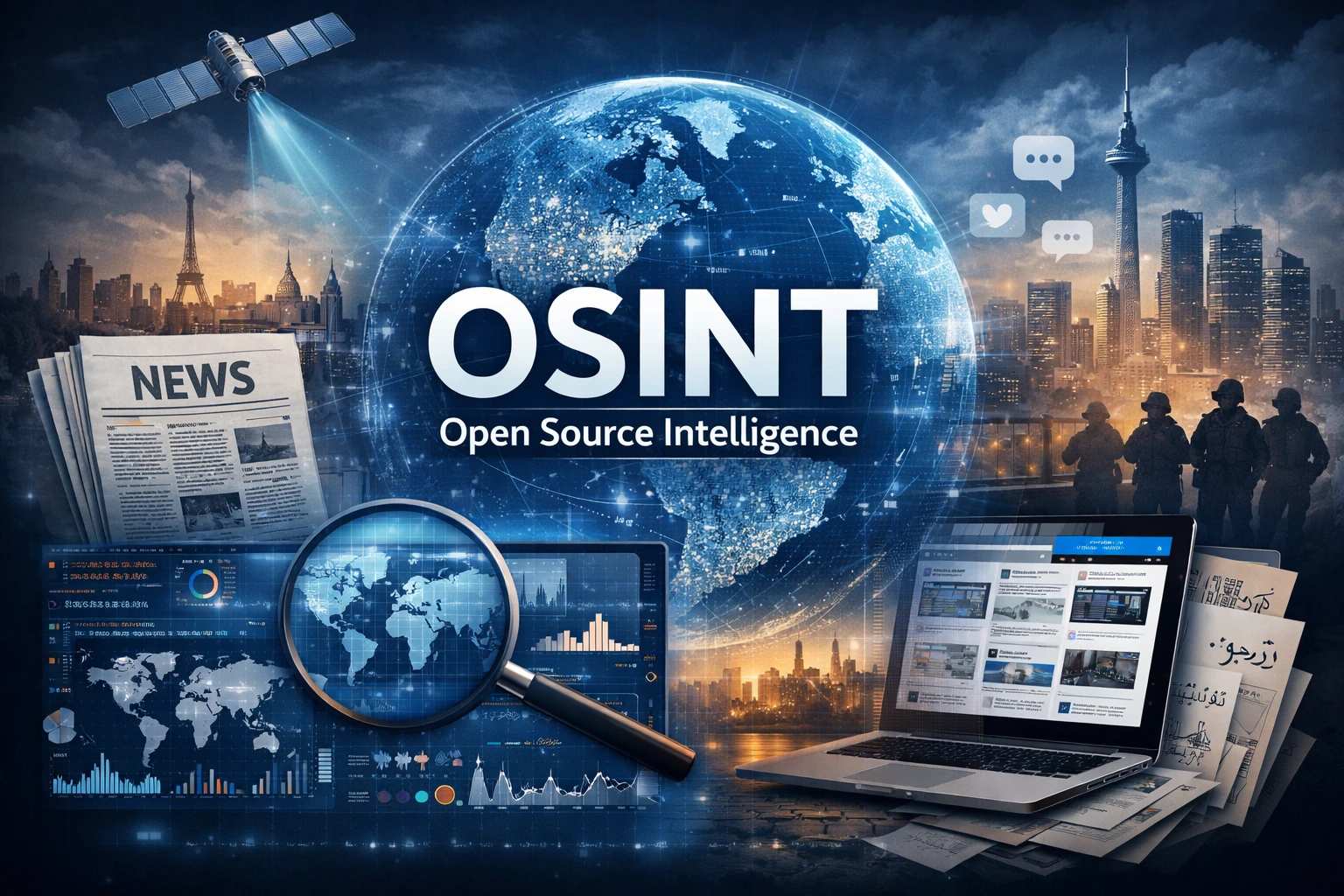
In today's interconnected world, valuable intelligence often emerges from diverse global sources spanning multiple languages and regions. Traditionally, language barriers have restricted access to non-native content, requiring specialized linguists, manual translations, or limiting analysis to English-dominant platforms. Modern Open Source Intelligence (OSINT) systems have dramatically reduced these obstacles by integrating advanced multilingual processing, automated translation, semantic understanding, and real-time data aggregation. Platforms like the Knowlesys Open Source Intelligent System exemplify this evolution, enabling organizations to conduct comprehensive, cross-lingual intelligence workflows with greater speed, accuracy, and accessibility.
The Persistent Challenge of Language in Global Intelligence Gathering
Multilingual data represents both an opportunity and a significant hurdle in OSINT. Information critical to threat detection, market monitoring, or strategic decision-making frequently appears in languages beyond English, such as Arabic, Chinese, Spanish, Russian, or regional dialects. Without effective tools, analysts face:
- Delayed processing due to reliance on external translation services
- Loss of nuance, context, sarcasm, or cultural idioms in machine translations
- Limited coverage of regional platforms, forums, or social media where key discussions occur
- Increased risk of missing early warning signals embedded in non-dominant languages
These barriers historically confined multilingual analysis to resource-rich entities with dedicated language teams. However, contemporary OSINT platforms leverage AI-driven natural language processing (NLP), machine learning models trained on vast multilingual corpora, and automated entity recognition to democratize access to global information streams.
Core Capabilities That Break Down Language Barriers
Leading OSINT systems address multilingual challenges through several integrated features that streamline the entire intelligence lifecycle—from discovery to analysis.
1. Real-Time Multilingual Data Collection and Coverage
Effective OSINT begins with broad, unbiased source acquisition. Advanced platforms support collection from major global social media, news outlets, forums, and multimedia sites in over 20 languages. This ensures no linguistic blind spots exist, capturing content in Arabic dialects, Farsi, Urdu, Turkish, and more alongside mainstream languages.
By scanning billions of data points daily across platforms like X (formerly Twitter), YouTube, Facebook, and regional networks, these systems provide exhaustive coverage without manual language-specific queries.
2. AI-Powered Translation and Semantic Understanding
High-quality, context-aware translation forms the foundation of multilingual OSINT. Modern systems employ next-generation large language models (LLMs) and pre-trained multilingual embeddings to deliver near-human translation accuracy while preserving semantic intent.
Beyond literal translation, these tools perform cross-lingual correlation—linking related concepts across languages—and sentiment analysis that accounts for cultural subtleties. This capability allows analysts to interpret emotional tone, narrative shifts, or emerging trends regardless of the original language.
3. Automated Entity Recognition and Contextual Analysis
Multilingual entity detection identifies names, organizations, locations, and events across languages without requiring separate models per tongue. This enables consistent tracking of key actors or topics globally, even when references vary by language or dialect.
Combined with behavioral clustering and graph-based reasoning, OSINT platforms reveal hidden connections and collaborative patterns that transcend linguistic boundaries, transforming disparate multilingual fragments into coherent intelligence pictures.
Knowlesys Open Source Intelligent System: A Practical Example of Barrier Reduction
Knowlesys specializes in building robust OSINT ecosystems tailored for intelligence discovery, alerting, analysis, and collaborative workflows. The Knowlesys Open Source Intelligent System incorporates a multilingual AI engine that processes content in over 20 languages, including major global languages and key regional dialects.
Key features include:
- Real-time discovery of sensitive OSINT across text, images, and videos in multiple languages
- High-precision AI-driven sentiment analysis and semantic parsing for cross-language insights
- Automated alerting with minute-level response times to emerging multilingual threats or trends
- Visualization tools such as propagation graphs and heat maps that unify data from diverse linguistic sources
These capabilities enable users to monitor asymmetric conflicts, track public opinion shifts, or detect coordinated narratives without the traditional overhead of language expertise. For instance, analysts can correlate discussions in Arabic, English, and Farsi simultaneously to uncover coordinated influence operations or early threat indicators.
Benefits for Diverse Use Cases and Organizations
By lowering multilingual barriers, OSINT systems deliver measurable advantages across sectors:
- Government and Security Agencies: Enhanced global threat monitoring and faster response to international risks
- Corporate Intelligence Teams: Better oversight of overseas markets, reputational risks, and competitive intelligence in non-English regions
- Research and Analysis Groups: Access to primary sources in original languages for more accurate academic or policy insights
Automation reduces dependency on scarce multilingual experts, accelerates workflows from days to minutes, and improves overall intelligence quality through broader, more inclusive data inputs.
Conclusion: Toward Truly Global Intelligence Access
OSINT systems have fundamentally transformed multilingual information analysis from an elite capability into a standard tool accessible to a wider range of organizations. Through comprehensive collection, precise AI translation, contextual semantic processing, and collaborative features, platforms like the Knowlesys Open Source Intelligent System eliminate traditional language obstacles and empower users to derive actionable intelligence from the full spectrum of global open sources.
As digital conversations continue to diversify linguistically, the organizations that fully embrace these multilingual OSINT advancements will maintain a decisive edge in understanding and responding to worldwide developments.