How Government Agencies Can Avoid Intelligence Misjudgments Amid Information Overload
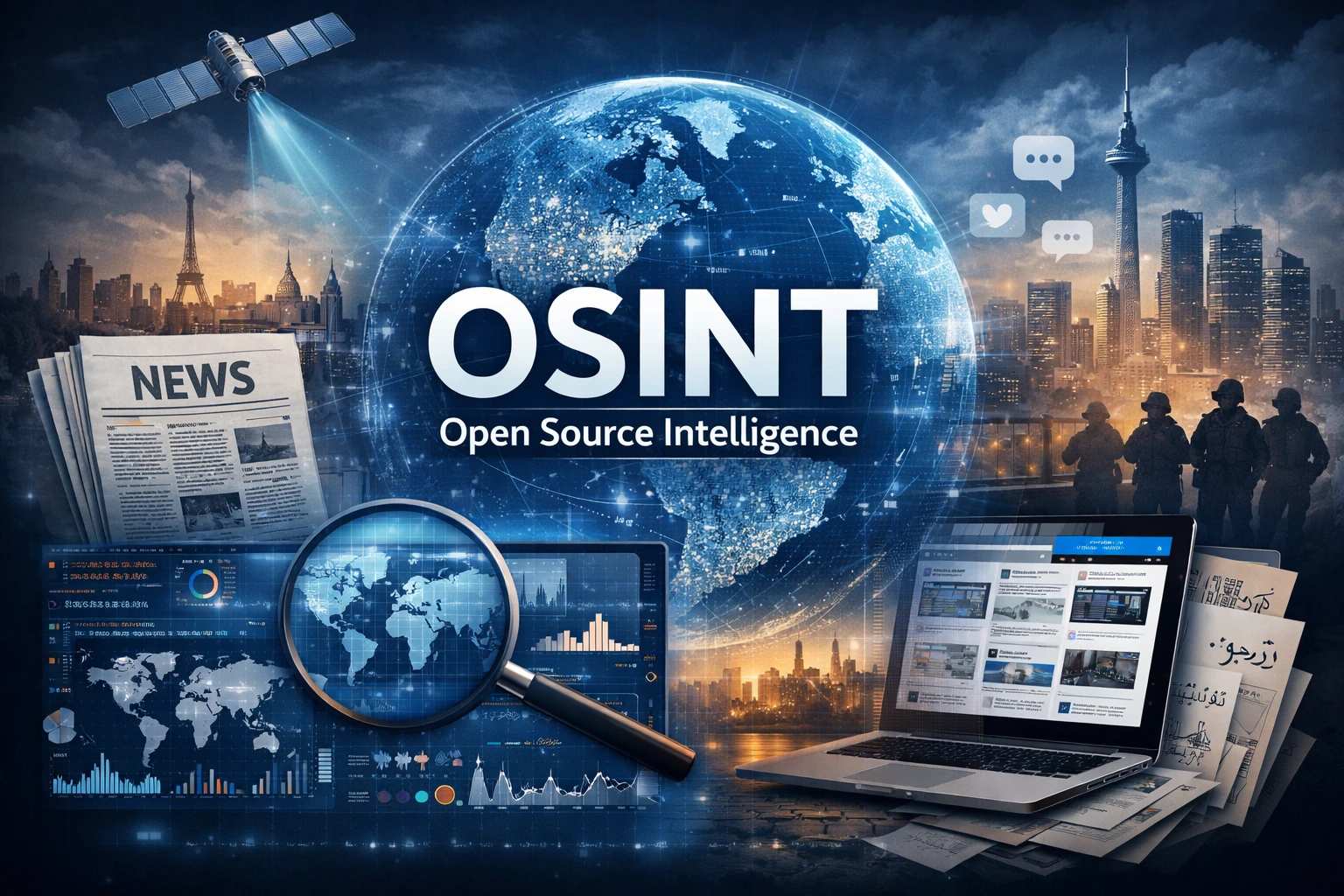
In today's rapidly evolving digital landscape, government agencies and intelligence departments face an unprecedented volume of open-source data from social media platforms, news outlets, forums, and multimedia content worldwide. While this abundance empowers proactive threat detection and strategic decision-making, it also creates significant risks of information overload, leading to delayed responses, cognitive biases, and potential intelligence misjudgments. The Knowlesys Open Source Intelligent System addresses these challenges head-on by providing a comprehensive, AI-driven platform that streamlines intelligence discovery, alerting, analysis, and collaborative workflows, enabling agencies to transform overwhelming data into precise, actionable insights.
The Growing Challenge of Information Overload in Intelligence Operations
Modern intelligence work involves processing vast amounts of publicly available information daily. Agencies must monitor global events, track emerging threats, and assess risks across multiple languages and media formats. However, excessive data volume can overwhelm analysts, resulting in key signals being buried in noise, inconsistent judgments, and heightened susceptibility to misinformation or deception campaigns. Studies and operational experiences highlight that without structured tools, analysts struggle to prioritize relevant information, often leading to delayed threat recognition or erroneous assessments.
Common pitfalls include manual screening inefficiencies, fragmented data sources, and the absence of automated filtering, which exacerbate cognitive strain and increase the likelihood of misjudgments. Government entities require solutions that not only collect data at scale but also intelligently prioritize, verify, and contextualize it to support high-stakes decisions in homeland security, counterterrorism, and cybersecurity domains.
Core Strategies for Mitigating Misjudgments
To counteract information overload, agencies adopt several proven approaches, including automated prioritization, multi-layered verification, structured analytic techniques, and collaborative validation. These strategies focus on reducing noise, enhancing accuracy, and fostering evidence-based conclusions.
1. Implementing AI-Driven Intelligence Discovery and Filtering
Effective intelligence begins with targeted discovery rather than indiscriminate collection. By defining precise monitoring parameters—such as keywords, hashtags, geographic regions, key opinion leaders, and target accounts—agencies can focus on high-value sources while minimizing irrelevant data influx.
The Knowlesys Open Source Intelligent System excels in this area through its intelligence discovery module, which supports real-time scanning of major social media platforms and websites, handling up to 1 billion data items daily. With customizable dimensions and automated filtering, the system captures text, images, and videos containing sensitive content, ensuring comprehensive yet focused coverage. This targeted approach drastically reduces overload by delivering only prioritized, relevant OSINT to analysts.
2. Enabling Rapid, Reliable Threat Alerting
Timely detection is critical to preventing escalation. Minute-level alerting mechanisms allow agencies to respond before issues amplify. AI-powered recognition identifies sensitive content automatically, with customizable thresholds for propagation speed, volume, and sentiment intensity.
Knowlesys delivers intelligence alerting capabilities that achieve detection in as little as seconds to minutes, operating 24/7 without interruption. Multi-channel notifications—via system alerts, email, or dedicated clients—ensure responsible personnel receive immediate updates, providing the golden window needed for effective intervention and reducing the risk of overlooked threats amid data surges.
3. Leveraging Multi-Dimensional Intelligence Analysis for Accuracy
Analysis transforms raw data into intelligence. Advanced platforms incorporate sentiment evaluation, source credibility assessment, propagation tracing, and entity profiling to uncover hidden patterns and verify authenticity. Features like hotspot discovery, fake account identification, and multimedia溯源 help distinguish genuine signals from noise or deliberate misinformation.
Within the Knowlesys platform, intelligence analysis draws on AI models for metadata extraction (with 99% accuracy) and sensitive content judgment (96% accuracy). Analysts benefit from visualization tools such as propagation graphs, heat maps, and KOL influence evaluations, which facilitate deeper correlation and reduce bias by presenting objective, data-supported insights. These capabilities shorten investigation cycles from days to minutes, enhancing decision confidence.
4. Fostering Collaborative Intelligence Workflows
Siloed efforts amplify misjudgment risks. Collaborative environments enable teams to share findings, assign tasks, and cross-verify conclusions, enriching overall understanding and mitigating individual biases.
Knowlesys supports intelligence collaboration through shared data access, workflow tools like task assignment and instant messaging, and synchronized notifications. This integrated approach eliminates data silos, promotes collective validation, and accelerates consensus-building—essential for complex threat assessments where diverse perspectives enhance accuracy.
5. Automating Compliant, High-Quality Reporting
Final intelligence products must be timely, accurate, and formatted for decision-makers. Automated report generation integrates monitoring results, analysis outputs, and visualizations into professional documents.
The Knowlesys system offers one-click creation of fact-based reports, periodic summaries (daily, weekly, monthly), and exports in HTML, Word, Excel, or PPT formats. This efficiency ensures reports remain evidence-driven and compliant, minimizing manual errors that could lead to misjudgments during high-pressure briefings.
Technical Foundations Supporting Reliable Performance
Robust platforms must demonstrate scalability, precision, and stability. Knowlesys processes millions of messages daily with accumulated data exceeding 150 billion entries, backed by modular architecture achieving over 99.9% uptime. Template-based collection ensures 100% data accuracy, while AI enhancements continuously refine detection and analysis.
With 20 years of specialized experience in OSINT for enforcement and intelligence sectors, Knowlesys aligns with stringent compliance requirements, including data encryption across the lifecycle and customizable retention policies, building trust in mission-critical environments.
Conclusion: Building Resilient Intelligence Capabilities
Avoiding intelligence misjudgments amid information overload demands more than increased collection—it requires intelligent systems that prioritize relevance, automate verification, and enable collaborative precision. The Knowlesys Open Source Intelligent System provides an end-to-end solution that empowers government agencies to navigate the data deluge effectively, delivering timely, accurate intelligence that supports informed decision-making and safeguards national interests. By integrating advanced discovery, alerting, analysis, and collaboration features, agencies can shift from reactive overload management to proactive, confident intelligence operations.