Identifying Geopolitical Risk Transmission Pathways
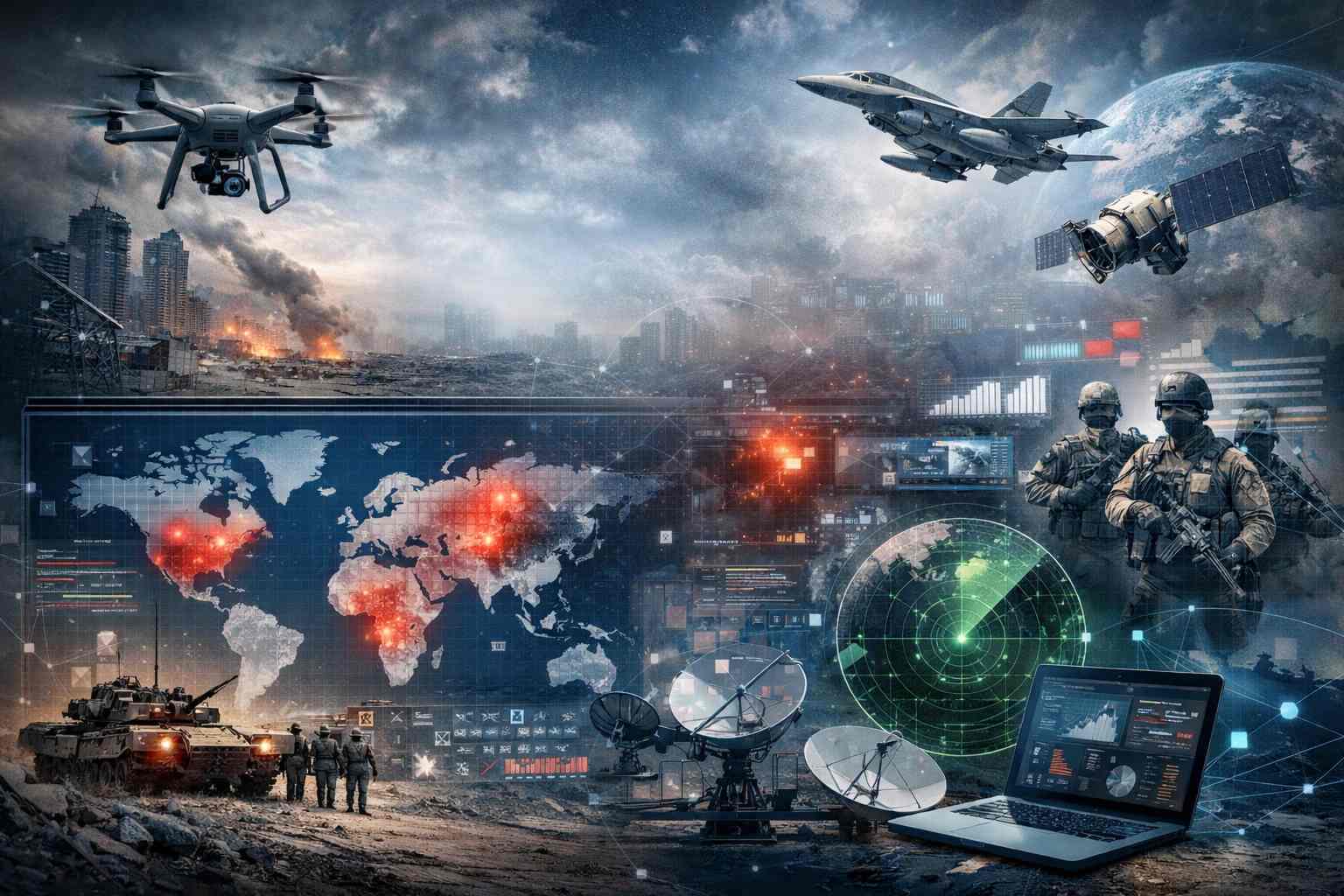
In an increasingly interconnected global landscape, geopolitical risks rarely remain confined to their point of origin. Instead, they propagate through complex pathways, influencing economies, societies, security postures, and international relations far beyond initial flashpoints. From regional conflicts escalating into broader instability to disinformation campaigns amplifying tensions across borders, understanding these transmission mechanisms is essential for intelligence professionals, policymakers, and security institutions. The Knowlesys Open Source Intelligent System provides advanced capabilities to map and monitor these pathways in real time, transforming fragmented open-source data into coherent intelligence pictures that enable proactive risk mitigation.
The Nature of Geopolitical Risk Transmission
Geopolitical risks transmit through multiple interconnected channels, often blending physical, economic, digital, and informational dimensions. Traditional pathways include direct spillovers via trade disruptions, supply chain interruptions, or military escalations. However, in the digital age, information flows—particularly through social media networks, forums, and global news ecosystems—have emerged as primary accelerators. Sudden spikes in inflammatory narratives, synchronized behavioral patterns among accounts, or coordinated amplification by key influencers can rapidly transform localized events into widespread concerns.
These pathways exhibit nonlinear characteristics: risks may remain latent under normal conditions but explode during periods of heightened uncertainty. For instance, a territorial dispute might initially manifest as diplomatic rhetoric, then propagate via online sentiment shifts that erode public trust, trigger economic caution, and ultimately affect investment flows or alliance dynamics. Knowlesys enables analysts to detect these early inflection points by monitoring multi-dimensional indicators across global platforms.
Digital and Informational Pathways: The Role of Online Networks
Social media and open online spaces serve as primary conduits for risk propagation. Narratives tied to geopolitical events—such as elections, border tensions, or sanctions—often originate in one region but spread globally through viral sharing, influencer amplification, and algorithmic promotion. Coordinated campaigns can create echo chambers that polarize opinions, while anomalous patterns like timezone-masked activity or burst registrations signal orchestrated efforts.
The Knowlesys Open Source Intelligent System excels in tracing these informational pathways. Through intelligence discovery features, the platform captures real-time content from major social networks, supporting over 20 languages and processing millions of items daily. Analysts can track how specific topics evolve from isolated discussions to widespread trends, identifying originators, key amplifiers, and diffusion nodes via propagation path tracing and network graphing. This visibility reveals collaborative clusters or influence operations that might otherwise remain hidden.
Geographic and Temporal Propagation Patterns
Risks often follow geographic contours, spreading from epicenters to adjacent regions through cultural, economic, or migratory linkages. Temporal patterns further illuminate transmission: synchronized posting across distant time zones may indicate external orchestration, while diurnal activity anomalies expose masking techniques employed by coordinated actors.
Knowlesys addresses these dynamics with geographic heatmaps and temporal analysis tools. By aggregating data across platforms, the system visualizes regional concentrations of risk-related content and detects timezone drift or behavioral resonance. In practice, this enables early recognition of how a localized conflict narrative migrates to neighboring countries, potentially foreshadowing broader instability or hybrid threats.
Economic and Financial Transmission Channels
Beyond information flows, geopolitical risks transmit through economic linkages. Supply shocks in energy markets, trade restrictions, or sanctions can cascade into volatility across sectors like defense, cybersecurity, and critical raw materials. Investor sentiment shifts rapidly in response to perceived threats, leading to capital flight, asset repricing, or contagion in financial markets.
While Knowlesys focuses on open-source signals, its analysis modules correlate online indicators—such as sentiment trends around commodities or infrastructure—with broader risk profiles. By monitoring discussions on policy changes, sanctions evasion, or supply vulnerabilities, analysts gain foresight into potential economic ripple effects, supporting integrated assessments that bridge digital and real-world domains.
Hybrid Threats and Multi-Vector Propagation
Modern geopolitical risks frequently operate through hybrid vectors: cyber intrusions amplified by disinformation, proxy activities signaled online, or influence operations tied to physical movements. These multi-vector pathways demand comprehensive monitoring to uncover hidden interconnections.
The Knowlesys platform supports full-cycle intelligence workflows, from discovery and alerting to in-depth analysis and collaboration. Intelligence alerting delivers minute-level notifications for emerging threats, while analysis dimensions—including content themes, actor profiling, propagation pathways, and multimedia provenance—enable thorough examination of hybrid indicators. Collaborative features further allow teams to share insights, enriching understanding of complex transmission chains.
Practical Applications in Intelligence Operations
In real-world scenarios, identifying transmission pathways has proven critical. During periods of heightened tension—such as contested elections or regional disputes—OSINT monitoring reveals how narratives evolve from fringe discussions to mainstream discourse, often preceding tangible escalations. Knowlesys users leverage propagation tracing to pinpoint first-origin nodes, assess amplifier influence, and forecast potential trajectories, informing timely interventions.
For homeland security and national intelligence entities, these capabilities provide evidence-based support for attribution, forecasting, and response planning. By integrating behavioral models and anomaly detection, the system helps distinguish organic trends from manipulated campaigns, reducing false positives and enhancing decision confidence.
Conclusion: Building Resilience Through Proactive Intelligence
Geopolitical risk transmission pathways are dynamic, multifaceted, and increasingly digital. Effective management requires tools that offer comprehensive visibility, rapid detection, and rigorous analysis. The Knowlesys Open Source Intelligent System delivers precisely this: an integrated platform that empowers users to discover emerging risks, trace their propagation, analyze underlying networks, and collaborate on actionable responses.
As global interdependencies deepen and threats evolve, the ability to anticipate how risks spread—from online sparks to widespread impacts—becomes a strategic imperative. Knowlesys continues to advance OSINT innovation, providing intelligence professionals with the means to navigate complexity, mitigate escalation, and safeguard national interests in an uncertain world.