Why Government Intelligence Assessment Relies on Local Media OSINT Data
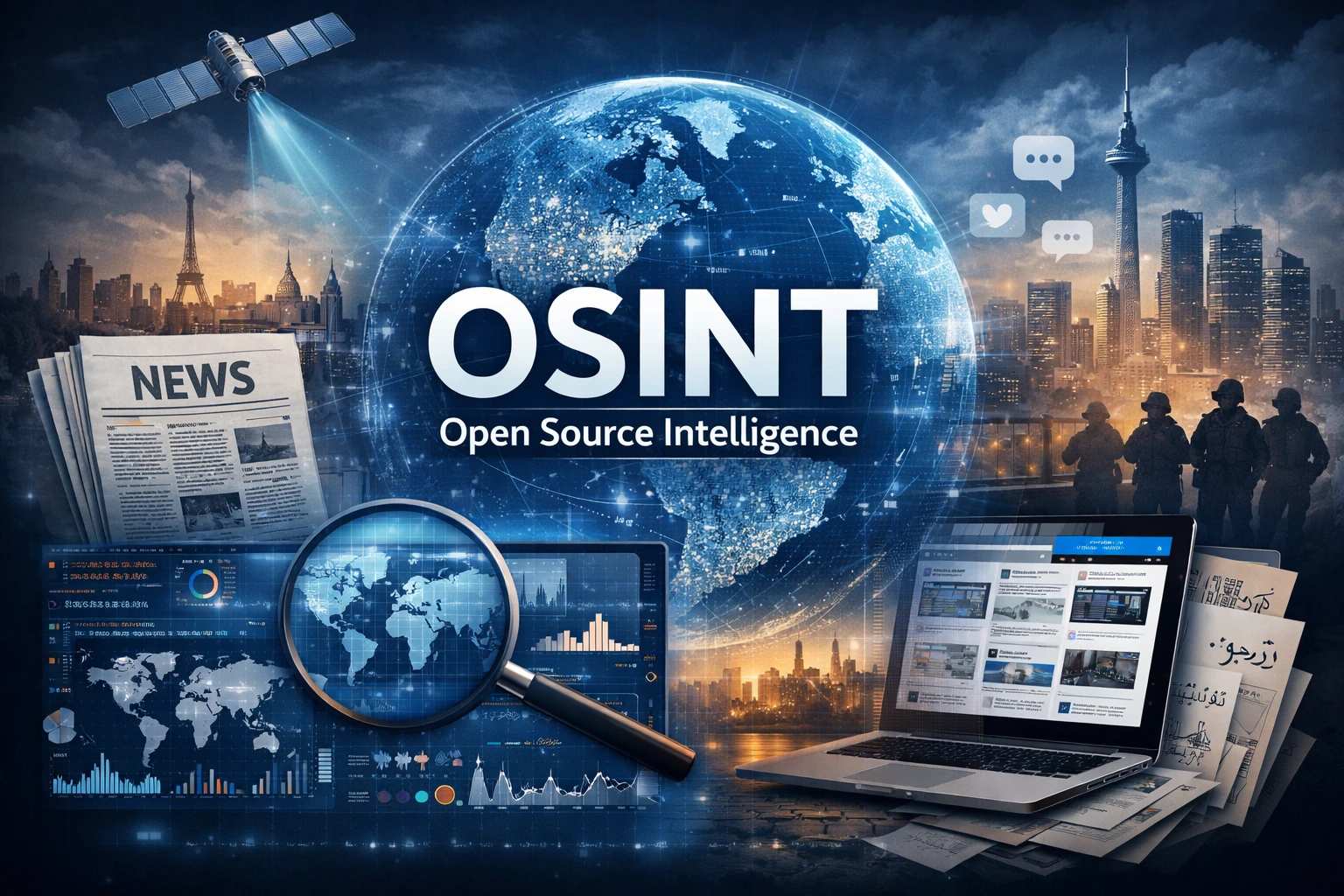
In the contemporary intelligence landscape, open-source intelligence (OSINT) has solidified its position as a foundational pillar for government agencies worldwide. Among the diverse array of publicly available sources, local media outlets—ranging from regional newspapers and community broadcasts to hyper-local online news portals—provide uniquely valuable, granular insights that often elude broader national or international coverage. These sources capture on-the-ground realities, cultural nuances, and emerging developments long before they register on global radars. Knowlesys Open Source Intelligent System stands at the forefront of harnessing this resource, enabling intelligence professionals to integrate local media data into comprehensive threat assessment, situational awareness, and strategic decision-making processes.
The Unique Value of Local Media in OSINT Frameworks
Local media serves as the primary conduit for information in geographically specific contexts, offering details that reflect immediate community sentiments, economic conditions, and security dynamics. Unlike aggregated international news feeds, which prioritize high-profile events, local outlets frequently report on incidents that may signal broader patterns—such as localized unrest, infrastructure vulnerabilities, or early indicators of organized activities. Government intelligence entities rely on this granularity to construct accurate ground truth assessments, particularly in regions where access to classified sources is limited or where human intelligence operations carry elevated risks.
Historical precedents underscore this reliance. During periods of geopolitical tension, foreign press and regional publications have long informed analysts about leadership intentions, public morale, and subtle shifts in policy. In modern applications, local media OSINT complements other disciplines by providing verifiable, timestamped narratives that enrich fusion with satellite imagery, social media signals, and commercial datasets. This multi-layered approach enhances confidence in analytical conclusions and mitigates blind spots inherent in remote sensing or classified reporting.
Key Advantages for National Security and Threat Detection
One primary reason governments prioritize local media OSINT lies in its timeliness and contextual depth. Emerging threats often manifest first in provincial or municipal reports—be it unusual community gatherings, environmental anomalies, or localized crime spikes that may indicate coordinated efforts. By systematically monitoring these sources, intelligence teams achieve early warning capabilities that facilitate proactive measures.
Another critical advantage is cultural and linguistic authenticity. Local journalists and editors embed contextual knowledge that transcends literal translation, capturing idiomatic expressions, historical references, and societal undercurrents. This depth proves essential in counterterrorism, border security, and counter-disinformation operations, where misinterpretation of cultural signals can lead to flawed assessments. Platforms engineered for OSINT excellence, such as the Knowlesys Open Source Intelligent System, automate the ingestion and semantic processing of diverse local media feeds across multiple languages, ensuring that subtle indicators are not overlooked.
Furthermore, local media contributes to propagation path analysis. By tracing how information originates and spreads within communities, analysts identify key influencers, dissemination nodes, and potential manipulation vectors. This visibility supports efforts to counter foreign influence campaigns, track illicit networks, and evaluate the authenticity of viral narratives.
Integration with Broader Intelligence Workflows
Effective intelligence assessment demands the fusion of disparate sources, and local media OSINT excels in this integrative role. Government entities leverage it to validate or contextualize classified reporting, fill gaps during operational pauses, and maintain continuous situational awareness in non-permissive environments. For instance, during natural disasters or civil disturbances, local outlets deliver real-time updates on response effectiveness, public sentiment, and secondary risks—information vital for coordinating humanitarian efforts or security deployments.
The Knowlesys Open Source Intelligent System facilitates this integration through advanced intelligence discovery features that scan global media landscapes, including niche regional publications. Its intelligence alerting module delivers minute-level notifications on relevant developments, while multidimensional analysis tools—encompassing sentiment evaluation, entity recognition, and geospatial mapping—transform raw local reports into actionable insights. Collaborative workflows further enable inter-agency sharing, ensuring that local media-derived intelligence informs unified operational pictures.
Addressing Challenges and Ensuring Reliability
While local media offers unparalleled advantages, its utilization requires rigorous validation to counter potential biases, misinformation, or state-controlled narratives. Professional OSINT platforms incorporate cross-verification mechanisms, historical pattern analysis, and behavioral indicators to assess source credibility. Knowlesys emphasizes precision in data extraction and AI-driven sensitivity detection, achieving high accuracy in identifying genuine signals amid noise.
Data security and compliance remain paramount. Systems must adhere to stringent protocols for handling publicly available information, ensuring ethical collection and retention practices that align with national regulations and international standards.
Conclusion: Local Media as an Indispensable OSINT Pillar
As threats evolve in complexity and velocity, government intelligence assessment increasingly depends on the rich, context-specific data embedded in local media sources. These outlets provide the foundational layer for understanding micro-level developments that aggregate into macro-level risks. Through sophisticated platforms like the Knowlesys Open Source Intelligent System, agencies can systematically capture, analyze, and operationalize this intelligence stream—delivering enhanced foresight, reduced response latency, and superior decision support. In an era where information dominance defines security outcomes, local media OSINT remains a cornerstone of resilient, evidence-based intelligence practices.