Defense Intelligence: Tracking the Global Patent Footprint of Hypersonic Propulsion Systems

In the evolving landscape of modern defense, hypersonic propulsion systems represent a transformative capability, enabling sustained flight at speeds exceeding Mach 5 with unparalleled maneuverability and reduced response times. These technologies, primarily centered on scramjet engines and advanced air-breathing designs, are reshaping strategic deterrence, rapid global strike, and counter-access strategies. As nations accelerate development in this domain, monitoring the global patent footprint has become essential for defense intelligence communities to assess technological maturity, identify innovation leaders, and anticipate capability gaps.
Knowlesys Open Source Intelligent System empowers analysts to track emerging technological trends, including patent-related disclosures, through real-time intelligence discovery across open sources. By monitoring public announcements, research publications, industry collaborations, and social media discussions on hypersonic advancements, the platform supports proactive threat alerting and intelligence analysis in high-stakes defense scenarios.
The Strategic Imperative of Hypersonic Propulsion
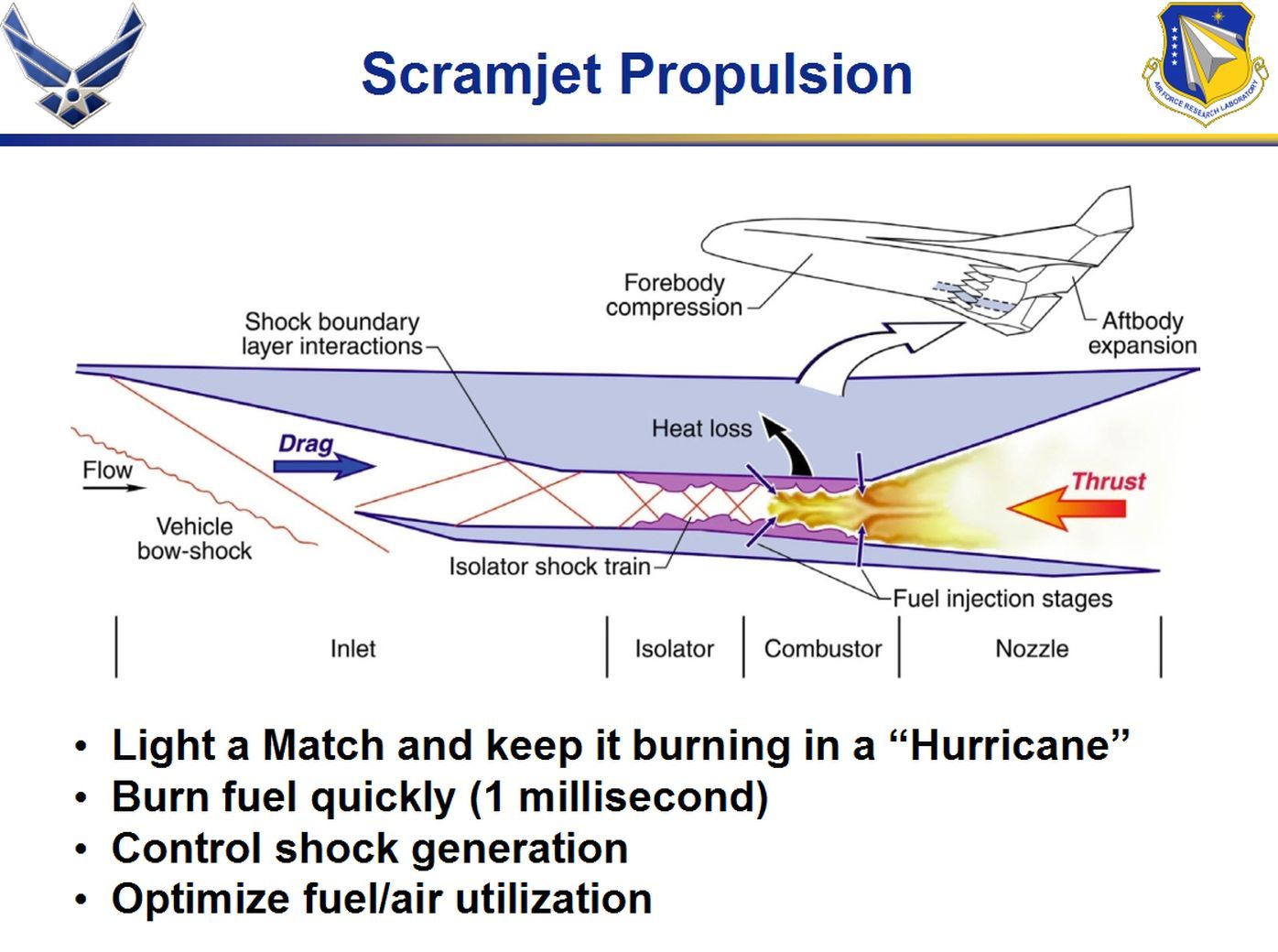
Hypersonic propulsion, particularly scramjet technology, allows vehicles to operate efficiently in the atmosphere without carrying oxidizers, offering superior range and speed compared to traditional rocket systems. Key applications include hypersonic cruise missiles, glide vehicles, and future reusable platforms. The global race involves balancing extreme thermal loads, efficient combustion at supersonic flows, and material durability under prolonged hypersonic conditions.
Recent developments underscore the urgency: investments in scramjet and rotating detonation engines are surging, driven by defense modernization programs. For instance, major players are advancing hydrocarbon-fueled systems for operational viability from Mach 4 upward, addressing challenges in ignition, thermal management, and integration.
Global Patent Landscape and Innovation Leaders
The patent footprint reveals concentrated activity among a few dominant nations, with the United States, China, and Russia leading in filings related to scramjet engines, combined-cycle propulsion, and thermal-resistant materials. China has demonstrated rapid growth in hypersonic-related patents, focusing on scramjet combustion and aerodynamic integration. The United States emphasizes advanced testing methodologies and hydrocarbon fuels, while Russia builds on historical expertise in high-speed flight.
Emerging contributors include India, through collaborations on Mach 7+ systems, and companies advancing fixed-geometry scramjets for broader Mach ranges. Patent trends highlight a shift toward integrated designs that enable sustained hypersonic operation with minimal variable geometry.
Key Technological Focus Areas in Patents
Patents predominantly cluster around several critical domains:
- Scramjet Engine Design: Innovations in fixed-geometry airframe integration and shape transitions for wide Mach operability.
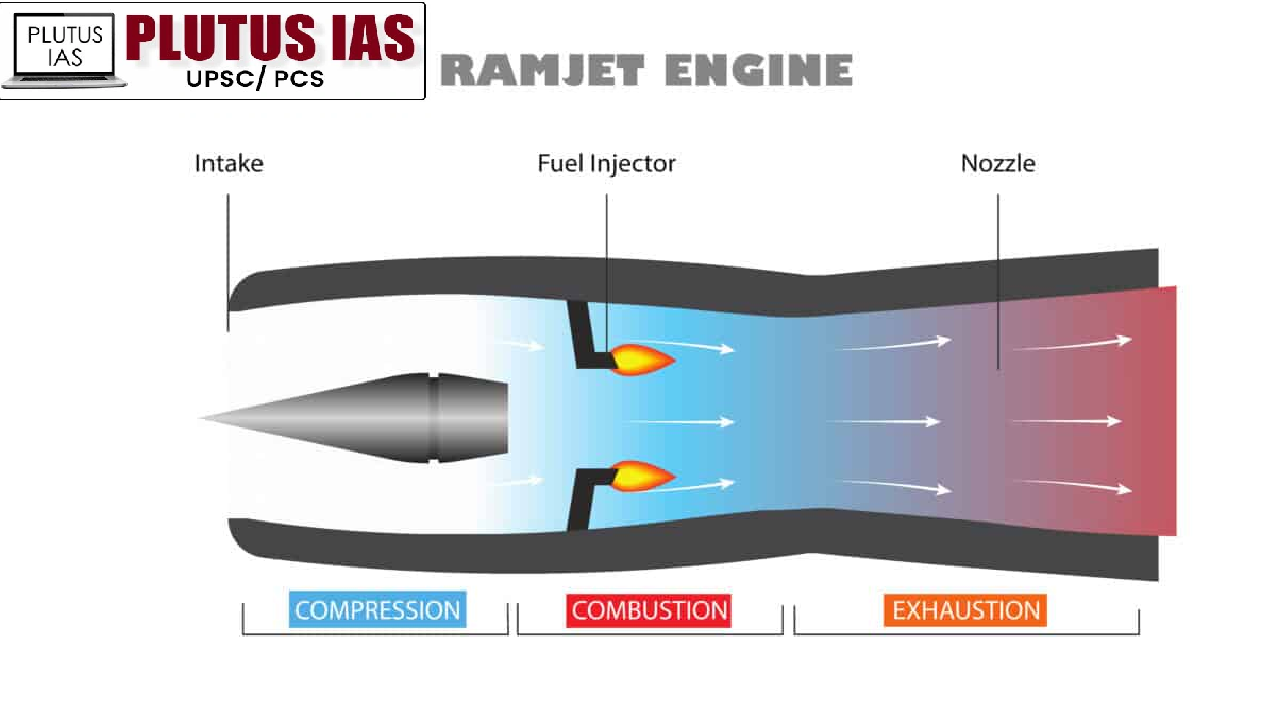
- Propulsion Integration: Combined systems blending turbine, ramjet, and scramjet modes for seamless acceleration.
- Thermal Management: High-temperature materials and cooling techniques to withstand extreme aerothermal environments.
- Testing and Validation: Advanced wind tunnel and free-jet methodologies for ground-based simulation of hypersonic conditions.
These areas reflect ongoing efforts to overcome barriers in combustion efficiency, starting Mach numbers, and structural integrity.
Challenges and Emerging Trends
Despite progress, hypersonic propulsion faces persistent hurdles, including ignition reliability at lower Mach transitions, material degradation under thermal shock, and the need for scalable manufacturing. Recent trends point toward hydrogen and hydrocarbon fuels, reusable architectures, and AI-driven predictive modeling to reduce development cycles.
Defense intelligence must monitor these evolutions closely, as breakthroughs in one domain can rapidly shift capability balances. Knowlesys facilitates this through automated discovery of sensitive open-source content, enabling early identification of collaborative networks, key opinion leaders, and propagation patterns in hypersonic research discussions.

Conclusion: From Monitoring to Strategic Advantage
The global patent footprint of hypersonic propulsion systems illustrates a highly competitive arena where technological leadership translates directly into strategic superiority. As investments continue to grow—with market projections reflecting sustained expansion—intelligence workflows must evolve to incorporate comprehensive OSINT tracking.
Knowlesys Open Source Intelligent System provides the foundational capability for defense entities to maintain situational awareness, correlate multi-source data, and generate actionable insights on this critical domain. By leveraging such tools, analysts can transform vast open-source streams into precise intelligence support for policy, acquisition, and operational decisions in an era defined by speed and innovation.