Analyzing the Link Between Public Health Emergencies and Social Instability Risks
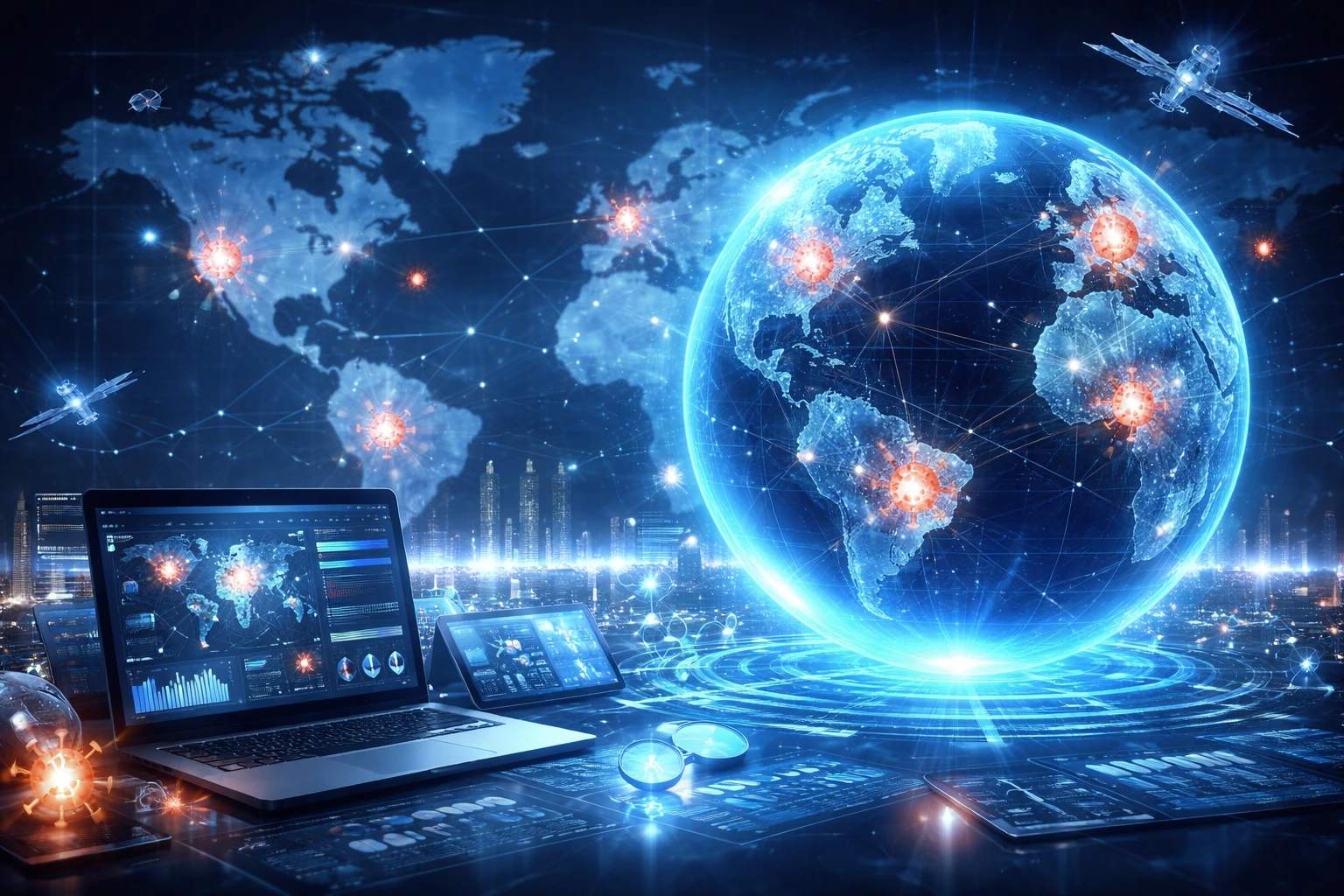
Public health emergencies, ranging from infectious disease outbreaks to pandemics, have repeatedly demonstrated their capacity to destabilize societies beyond immediate medical consequences. Historical and contemporary evidence reveals a complex interplay where health crises amplify preexisting vulnerabilities, trigger economic disruptions, erode public trust, and catalyze various forms of social unrest, including protests, riots, and broader instability. Knowlesys Open Source Intelligent System stands at the forefront of addressing these interconnected risks by enabling proactive intelligence discovery, real-time threat alerting, sophisticated intelligence analysis, and collaborative workflows that empower security and intelligence professionals to monitor emerging signals and mitigate cascading threats.
The Historical and Empirical Connection Between Health Crises and Social Unrest
Epidemics and pandemics do not occur in isolation; they intersect with socioeconomic, political, and cultural dynamics to produce heightened instability. Research spanning centuries shows that outbreaks often exacerbate tensions, leading to scapegoating, civil disorder, and challenges to governance. Factors such as disease lethality, symptom visibility, disproportionate impacts on vulnerable groups, and levels of scientific understanding influence the likelihood and intensity of unrest.
During less lethal but highly visible outbreaks with distressing symptoms, or when mortality disproportionately affects certain demographics like children, social conflict tends to rise. Intermediate scientific knowledge—neither fully supernatural nor completely explained—creates fertile ground for misinformation and blame attribution. Preexisting intergroup tensions further accelerate these dynamics, while heavy-handed or distrust-inducing policies can intensify responses.
The COVID-19 pandemic provided a stark modern illustration. Lockdowns, economic shutdowns, and restrictions on civil liberties triggered widespread protests in multiple countries. Over 50,000 pandemic-related demonstrations were recorded globally by mid-2021, with thousands turning violent. In the United States, anti-lockdown rallies emerged in early 2020, often organized around economic grievances and perceived overreach, while concurrent events like the Black Lives Matter protests highlighted overlapping crises of public health and social justice.
Mechanisms Driving Instability During Public Health Emergencies
Several pathways link health emergencies to social instability risks:
- Economic Disruption and Inequality Amplification: Outbreaks force closures, job losses, and supply chain interruptions, disproportionately affecting low-income populations and exacerbating poverty. Disasters transfer risks to vulnerable groups through uneven development and resource access, increasing the likelihood of unrest as grievances mount.
- Psychological and Emotional Strain: Fear, uncertainty, and negative emotional stress surge during crises, particularly in polarized or economically strained environments. This emotional burden correlates with intensified protests and civil disorder.
- Erosion of Trust and Scapegoating: Distrust in authorities, fueled by perceived inadequate responses or misinformation, often leads to blame directed at governments, minorities, or institutions. Historical examples include cholera riots and modern anti-restriction movements.
- Policy-Induced Grievances: Stringent measures like lockdowns suppress immediate unrest through reduced mobility but can provoke backlash once restrictions ease, as seen in delayed protest surges post-initial waves.
Quantitative analyses confirm these patterns: epidemics show a positive cross-sectional relationship with social unrest events, distinct from other disasters due to disease-specific social contact limits. In low-income and emerging economies, these risks compound with existing structural vulnerabilities.
The Role of OSINT in Monitoring and Mitigating Linked Risks
Effective management of these intertwined threats requires continuous visibility into online and open-source signals. Knowlesys Open Source Intelligent System delivers comprehensive capabilities tailored to international OSINT scenarios, enabling intelligence professionals to detect early indicators of both health emergencies and emerging social instability.
Through intelligence discovery, the system captures real-time data across global social media, news outlets, forums, and multimedia platforms, identifying symptom mentions, sentiment shifts, or protest organizing before official confirmations. Intelligence alerting provides minute-level notifications for risk thresholds, such as spikes in negative sentiment, coordinated narratives, or anomalous account activity signaling coordinated unrest.
Intelligence analysis tools offer multi-dimensional insights: behavioral clustering to identify false or coordinated accounts amplifying grievances, propagation path tracing to map misinformation spread, and knowledge graph visualization to reveal linkages between health narratives and instability triggers. Collaborative intelligence features facilitate team-based workflows, allowing secure sharing of insights, task assignment, and integrated reporting for rapid decision-making.
In practice, these capabilities support homeland security and crisis response by enabling proactive monitoring of public health threats that could cascade into social risks. For instance, tracking online discussions around policy grievances or economic hardship during outbreaks allows for targeted interventions to prevent escalation.
Strategic Implications for Intelligence and Security Operations
The convergence of public health emergencies and social instability underscores the need for integrated intelligence approaches. Knowlesys Open Source Intelligent System empowers organizations to build resilient monitoring frameworks that address full-spectrum threats—from early outbreak signals to indicators of unrest such as synchronized behavioral patterns, timezone anomalies, or collaborative networks.
By leveraging AI-driven analysis alongside human expertise, the platform transforms vast open-source data into actionable intelligence, reducing response times and enhancing situational awareness. This not only aids in containing health crises but also in preempting secondary social risks, fostering stability in an era of compounding global challenges.
Conclusion: Building Proactive Resilience Through Advanced OSINT
Public health emergencies inherently carry social instability risks, driven by economic fallout, psychological strain, trust erosion, and policy frictions. Historical precedents and recent events like COVID-19 affirm this linkage, emphasizing the urgency of early detection and nuanced response. Knowlesys Open Source Intelligent System provides the technological foundation for intelligence discovery, alerting, analysis, and collaboration needed to navigate these complex threats effectively.
As threats evolve, investing in robust OSINT ecosystems remains essential for safeguarding societal stability, enabling authorities to anticipate, understand, and mitigate the cascading impacts of health crises on social order.